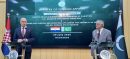
Punjab is taking a leading role in transforming its education system by integrating modern technology, artificial intelligence, and improved nutrition programs, aiming to shape the province’s future generations. In a significant move, the government’s flagship initiative, the CM Laptop Scheme, is receiving a major expansion. Punjab Education Minister Rana Sikandar Hayat announced that private school students will now also benefit, with 10,000 laptops set to be distributed under this program.
Referring to 2025 as the “Year of Educational Initiatives,” Hayat emphasized the government’s unprecedented focus on elevating the quality of education across the province. The CM Laptop Scheme is a central part of this strategy, reflecting Punjab’s commitment to blending technology with learning.
Sikandar Hayat highlighted several key achievements in the education sector. The province successfully removed two million fake student enrollments, addressed teacher shortages by rationalizing 26,000 positions, and implemented broad syllabus reforms. Additionally, examination systems were overhauled, and education boards transitioned to digital e-marking, marking a shift toward a more merit-based and technologically advanced educational environment.
The minister also stressed efforts in early childhood education, with ECE classrooms established in 10,000 schools, and noted that the province-wide nutrition program now benefits 1.1 million students daily. Infrastructure improvements and administrative reforms were also prioritized. According to Hayat, 268 schools were upgraded, 37 cases of teacher harassment were resolved, and the appointments of principals in 450 colleges and vice-chancellors in 29 universities were completed based strictly on merit.
Also Read: CM Punjab Officially Unveils Laptop Distribution Scheme
These initiatives collectively underscore Punjab’s commitment to modernizing education, improving governance, and ensuring that students across both public and private institutions receive access to quality learning, technological tools, and a supportive educational environment designed to prepare them for the challenges of the future