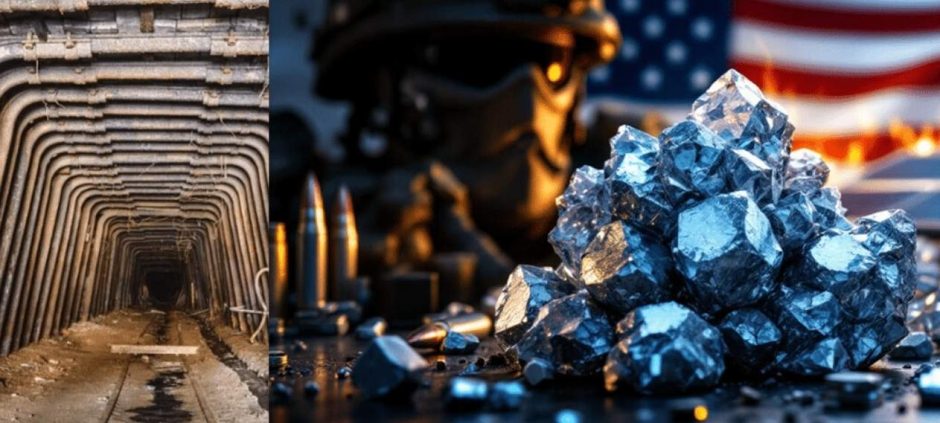
Pakistan is gaining attention from the US as a potential source of the critical mineral antimony, a key material used in missiles, batteries, and flame retardants.
US companies are seeking to reduce dependence on China, which currently dominates global antimony supply chains. Prices of antimony trioxide have surged to around $40,000 per ton, up from $26,000 in September 2024. Rising prices and strategic concerns have increased interest in alternative sources, including Pakistan.
Currently, Pakistan produces a small volume of antimony and holds about one percent of global reserves, according to the US Geological Survey. Local company Himalayan Earth Exploration has reported growing inquiries from US buyers seeking Pakistani antimony.
Intermediaries have proposed constructing a dedicated terminal to export antimony directly from Pakistan to the US. Additionally, US firm Strategic Metals has agreed to collaborate with Pakistan on critical minerals for defence, aerospace, and technology industries.
Despite rising interest, Pakistan remains at the lower end of the value chain. Most antimony is mined through small operations, with limited local refining. Raw material often leaves the country at prices below international market levels.
China continues to dominate antimony processing globally. Only a few smelters outside China are capable of refining antimony at scale. There are also concerns about traceability, as some antimony marketed as Pakistani has reportedly been mined in Afghanistan and transported across the border informally.
Although global antimony prices have eased as new supplies emerge from Southeast Asia, US interest in Pakistan remains strong. Analysts say developing local refining capacity and ensuring traceability could help Pakistan capture higher value in the global supply chain.
In other related news also read US Strikes Islamic State Militants in Northwest Nigeria
This growing attention highlights Pakistan’s emerging role in global strategic minerals, positioning the country as a potential partner for the US in securing critical materials.