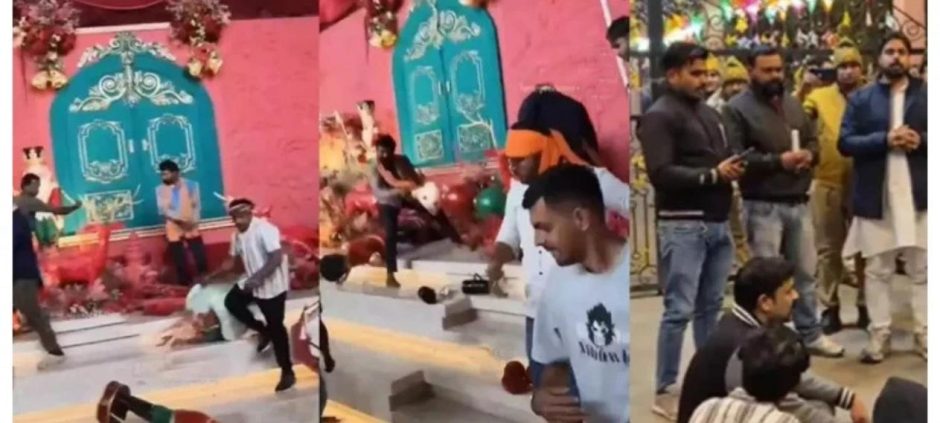
Several Christmas celebrations across different parts of India were reportedly disrupted after attacks and intimidation by Hindu extremist groups, sparking renewed concerns over religious intolerance and minority safety. The incidents occurred during the Christmas season, a time traditionally marked by peace and communal harmony, but instead saw tension and fear for members of the Christian community.
Reports indicated that groups linked to hardline Hindu organisations entered churches, prayer halls, and community centres where Christmas prayers and cultural programmes were being held. In some areas, Christmas decorations were damaged, and organisers were pressured to stop events midway. Attendees, including women and children, were allegedly threatened and accused of engaging in forced religious conversions, a claim frequently used by extremist elements despite a lack of supporting evidence.
Community representatives said that permission had been obtained from local administrations for many of the events, yet organisers still faced hostility. In several cases, celebrations were cancelled to avoid violence after threats were issued openly. Christian leaders expressed disappointment, stating that such interference has become increasingly common during religious festivals, creating an atmosphere of fear among minorities.
Human rights activists described the attacks as part of a wider pattern of rising intolerance in India. They warned that extremist narratives are contributing to social division and undermining the constitutional promise of religious freedom. Activists also highlighted that attackers often face little accountability, which encourages repeated incidents and emboldens radical groups.
Opposition leaders criticised the central and state governments, accusing them of failing to protect minority communities. They stressed that India’s constitution guarantees the right to practise and celebrate one’s religion freely and called for strict legal action against those disrupting peaceful religious gatherings. Some leaders also questioned the role of law enforcement, alleging delayed responses or selective action during such incidents.
Police officials stated that investigations were underway and that security had been increased in sensitive areas to prevent further unrest. Authorities claimed their priority was maintaining public order, but members of the Christian community argued that preventive measures should focus on stopping aggressors rather than restricting victims.
The incidents drew concern from international observers and rights organisations, who warned that continued attacks on religious events could damage India’s global image. Analysts noted that sustained intolerance risks weakening social harmony in a country known for its diversity, stressing the need for decisive action to ensure all communities can celebrate their faith without fear.
Also read: World’s Coldest City Yakutsk Endures Historic −56°C Freeze