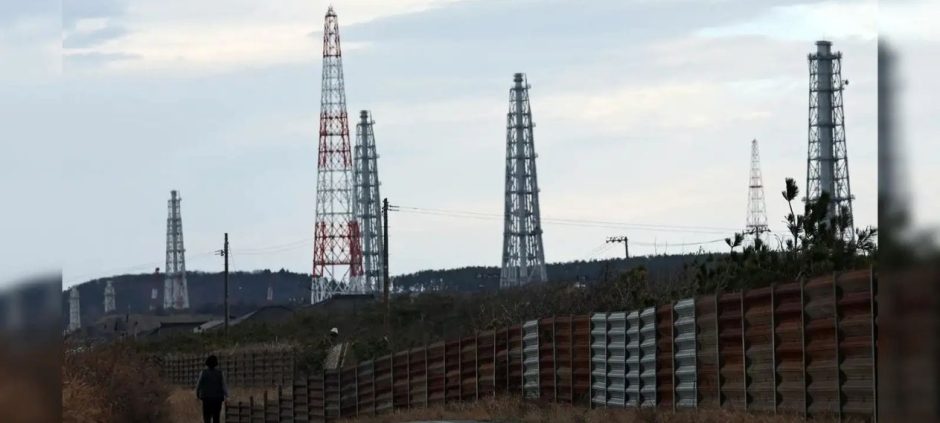
Japan is preparing to restart the world’s largest nuclear power plant nearly fifteen years after the Fukushima disaster reshaped national energy policy. The move signals a major shift as Tokyo seeks stable electricity supplies, lower fuel imports, and reduced carbon emissions amid rising power demand.
The Kashiwazaki-Kariwa nuclear plant is located in Niigata prefecture and is operated by Tokyo Electric Power Company. The facility was shut down after the 2011 Fukushima Daiichi nuclear accident, which was triggered by a powerful earthquake and tsunami, leading to widespread public fear over nuclear safety.
Since the disaster, Japan has gradually restarted several reactors under stricter safety regulations introduced by nuclear watchdogs. However, Kashiwazaki-Kariwa’s restart is particularly sensitive because TEPCO also operated the Fukushima plant, raising public trust and accountability concerns among local residents and lawmakers.
Government officials argue that restarting the plant is essential for Japan’s energy security. The country relies heavily on imported fossil fuels, and energy costs have surged in recent years. Officials say nuclear power offers a stable, low-emission alternative that can support economic growth and meet climate targets.
Despite government backing, strong opposition remains at the local level. Residents of Niigata prefecture continue to express concerns over evacuation plans, disaster preparedness, and TEPCO’s past safety failures. Protests and political debate have intensified as final approvals are considered by local authorities.
If approved, the restart would mark a historic turning point in Japan’s post-Fukushima energy strategy. It would significantly boost electricity supply for the Tokyo region while reopening a national debate over the long-term role of nuclear power in Japan’s future.
Also read: UK Praises Pakistani Man for Saving 11-Year-Old Girl in Knife Attack