Pakistan has strongly condemned India’s unilateral suspension of the Indus Waters Treaty, calling it a violation of international law and a threat to regional peace.
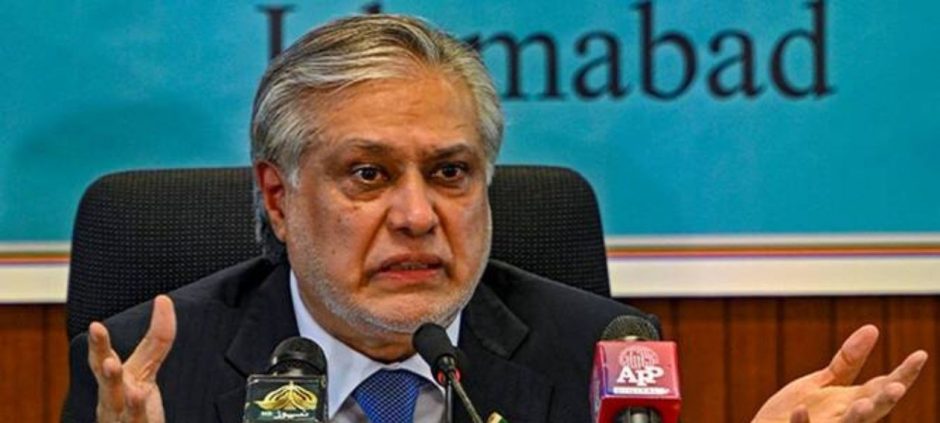
Deputy Prime Minister and Foreign Minister Ishaq Dar addressed foreign diplomats in Islamabad, warning that India’s actions put millions of Pakistani lives and livelihoods at risk. He said the treaty cannot be suspended by one party alone, and South Asia’s peace faces serious threats.
Dar emphasized that Pakistan seeks peaceful resolutions but will not compromise on its water rights under the Indus Waters Treaty. He accused India of using water as a weapon by releasing water into the Chenab River without prior notice. Such actions, he said, endanger downstream communities.
The minister warned that India’s measures threaten Pakistan’s food security by disrupting water flows essential for agriculture. He said stopping or diverting Pakistan’s allocated water would be considered an act of war. Water, he stressed, is a lifeline for Pakistan’s economy, and any interference could cause severe humanitarian and economic consequences.
Dar criticized India for withholding hydrological data and undermining joint monitoring processes mandated under the treaty. He also pointed to Indian hydroelectric projects, including Kishanganga and Ratle, which he said violate technical conditions of the agreement.
Pakistan, he noted, has pursued formal diplomatic and legal channels through the Indus Water Commissioner to address these violations. He added that India’s actions have drawn international attention, with the UN expressing concern over New Delhi’s conduct.
Dar urged the international community to ensure the full restoration of the treaty, warning that silence would embolden further violations. He described the Indus Waters Treaty as a cornerstone of peace in South Asia and called for immediate action to prevent escalation.
In other related news also read Dar Requests Private Briefing On Rising Terror Attacks
He concluded by reaffirming Pakistan’s position: the country seeks peace, but its water rights are non-negotiable, and India must act responsibly to comply with the treaty.