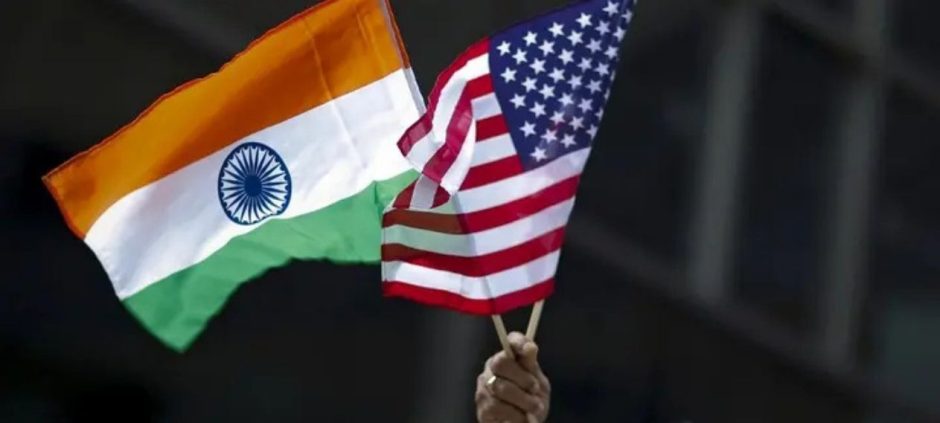
Sikhs for Justice has formally appealed to the Trump administration, urging Washington to add India to the U.S. restricted-countries list amid rising concerns over alleged human-rights violations. The group claims that minority communities continue to face growing political pressure, and believes strong international action is necessary to force meaningful reforms inside India’s governance and security structures.
According to the organisation, previous diplomatic warnings have failed to generate substantial change, making harsher measures essential. Their appeal stresses that the United States, as a global power, carries the responsibility of addressing rights abuses wherever they occur. Leaders insist that only direct policy consequences can compel New Delhi to recognise the seriousness of ongoing complaints raised by activists worldwide.
The request has triggered intense debate among analysts who argue that such a move could dramatically alter the strategic balance between Washington and New Delhi. India remains a major defence, trade, and intelligence partner for the United States, particularly in the Indo-Pacific region. Any decision to label it a restricted country could complicate decades of diplomatic investment and widen geopolitical fault lines.
Supporters of Sikhs for Justice argue that strategic partnerships should not overshadow humanitarian concerns. They claim that overlooking alleged violations risks weakening America’s moral standing on the global stage. For these groups, the call is not about isolating India, but rather encouraging it to protect fundamental rights and maintain democratic principles expected from a nation with significant global influence.
Diplomats, however, warn that the United States traditionally applies travel and diplomatic restrictions only after intense internal review. They point out that decisions of this scale often require extensive evidence, bipartisan consensus, and long-term strategic calculations. Washington is therefore expected to respond cautiously, weighing broader regional implications before issuing any policy adjustments.
As global attention increases, observers believe this appeal will continue shaping conversations in both capitals. Whether the Trump administration chooses to act or maintain the status quo, the debate highlights the delicate balance between defending human rights and sustaining strategic alliances. For now, officials remain silent, but the pressure surrounding the issue continues to build.
Also read: Kerala Gripped by Deadly Surge as ‘Brain-Eating Amoeba’ Claims 42 Lives in 2025