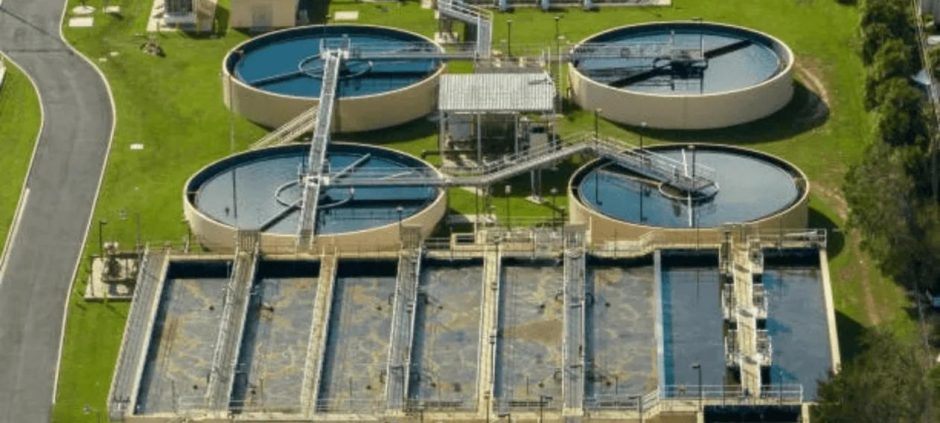
Punjab is set to take a major step in improving urban sanitation with the construction of its largest wastewater treatment plant. The Water and Sanitation Agency (WASA) Faisalabad will lay the foundation stone for a 33 million gallons per day (MGD) facility.
The inauguration will be led by Chief Minister Maryam Nawaz in Faisalabad, a city known for its textile and manufacturing industries. The project highlights Punjab’s commitment to cleaner cities and sustainable infrastructure.
Before the ceremony, Housing, Urban Development, and Public Health Engineering Secretary Noorul Amin Mengal, along with WASA Managing Director Sohail Qadir Cheema, visited the site to review final arrangements.
The wastewater treatment project is a collaboration between the Punjab government, the Danish International Development Agency (Danida), and Sustainable Infrastructure Finance (DSIF). The total cost is estimated at Rs. 56 billion, with Danida providing Rs. 53 billion as a tied loan and grant, while the provincial government contributes Rs. 3 billion.
Built under a Design, Build, and Operate (DBO) model, the facility is expected to be completed by September 2028. The project includes the main treatment plant, rehabilitation of Main Channel 4, and construction of a trunk sewer line to connect the plant.
Additionally, a main force line will safely discharge treated water into the Gogera Branch Canal, ensuring environmental safety and efficient water management.
The new wastewater treatment plant will significantly improve public health, reduce water pollution, and support Faisalabad’s growing industrial sector. Authorities say the project will benefit the entire region and set a benchmark for sustainable urban services.
In other related news also read Punjab Government To Promote Punjabi Language In Schools Nationwide
Punjab’s focus on modern wastewater treatment infrastructure reflects its efforts to improve city living standards while protecting the environment. Citizens and industries alike are expected to gain from cleaner water and safer urban spaces.