Pakistan’s electric vehicle market now offers electric bikes and scooters across a wide range of prices. Buyers can find entry-level models for around Rs100,000, while mid-range options generally cost Rs200,000 to Rs250,000.
Premium electric bikes are also available for buyers looking for longer range, better batteries, and additional features. Depending on the model, prices can go beyond Rs350,000.
Among the more affordable options, the Evee Flipper is priced at around Rs95,000 to Rs99,000. The YJ Future Indus and Revoo A04 are also available around the Rs95,000 to Rs100,000 range.
The Evee Mito and MITO+ are priced between Rs131,000 and Rs137,000. Jolta JE-70D and Sparrow models generally fall between Rs145,000 and Rs171,000 or more.
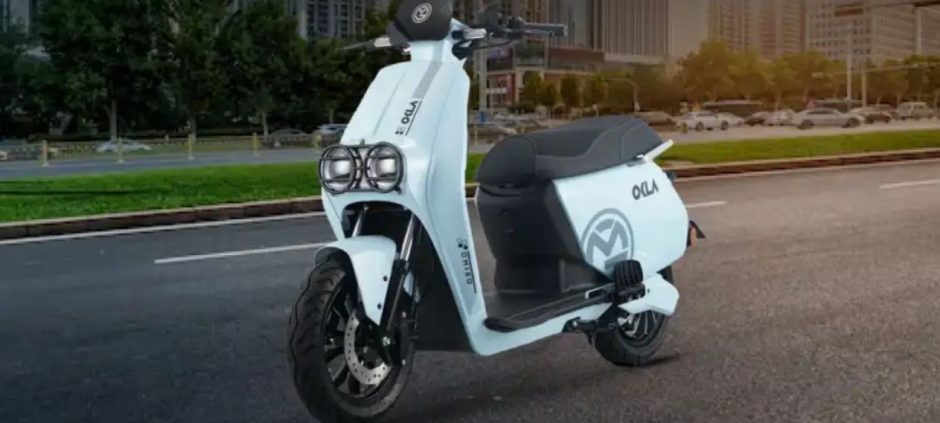
Other options include the Evee Nisa, OKLA Orbit, Yadea M3, and Metro T9 Eco or Sport. Their prices generally range from around Rs155,000 to Rs184,000.
For buyers with higher budgets, the OKLA Onyx is priced at around Rs192,000, while the OKLA OKT Econo costs approximately Rs202,000. Revoo A11, A12, and C32 models can range from around Rs175,000 to Rs255,000.
The Jolta JE-100 series is available in a higher price range of approximately Rs190,000 to Rs280,000. The Yadea T5 costs around Rs253,500, while the Yadea EPOC-H is priced at approximately Rs355,000.
Range is another important factor when choosing an electric bike. Entry-level models generally offer shorter ranges, while premium models can travel significantly farther on a single charge.
The Evee Flipper offers a practical range of around 25 to 30 kilometres. The YJ Future Indus can provide approximately 30 to 45 kilometres, while the Revoo A04 offers around 35 to 45 kilometres.
The Evee Mito and MITO+ can cover roughly 40 to 50 kilometres per charge. Jolta Sparrow and JE-70D models offer around 50 to 65 kilometres, depending on the battery and riding conditions.
The OKLA Orbit can provide approximately 70 to 85 kilometres. The Yadea M3 offers around 60 to 70 kilometres, while Metro T9 models can provide approximately 55 to 75 kilometres.
Higher-end models can offer considerably longer ranges. The Revoo A11 and A12 can provide around 60 to 90 kilometres, while the Yadea EPOC-H can offer approximately 90 to 110 kilometres under suitable conditions.
Battery technology also varies between models. Buyers can find lead-acid, graphene, lithium, and lithium iron phosphate batteries across different electric bikes.
For buyers planning to purchase an EV bike through financing, several installment options may be available through banks and dealers. Some plans can offer short-term financing with zero markup, while longer repayment options may provide lower monthly payments.
However, buyers should compare the complete financing cost before choosing a plan. The monthly installment alone does not always show the total amount that will be paid for the electric bike.
Charging time is another important consideration. Buyers should check how long the battery takes to charge and whether charging facilities are convenient for their daily routine.
Battery warranty and after-sales service should also be considered before purchasing. A model with a slightly higher price may provide better value if it offers stronger battery performance and longer warranty coverage.
For daily commuters, practical range is especially important. Buyers should consider their actual daily travel distance instead of relying only on the maximum range claimed for a particular model.
The growing number of electric bikes gives Pakistani consumers more choices across different budgets. Comparing price, range, battery type, warranty, charging time, and financing costs can help buyers select the right model.
Also read: FTT: Legal Tobacco Adds Rs41bn to Revenue