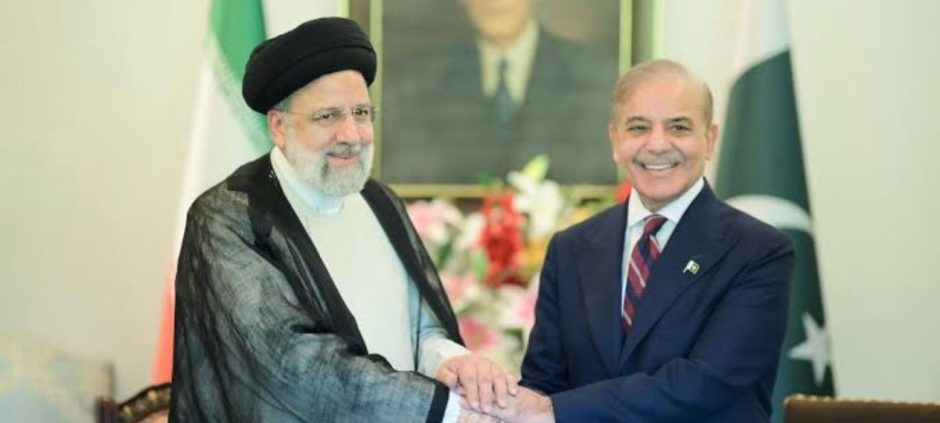
Pakistan and Iran have reaffirmed their commitment to increasing bilateral trade to $10 billion, while agreeing to speed up efforts to finalize the long-awaited Pakistan-Iran Free Trade Agreement (FTA). The renewed commitment came during the 10th session of the Pakistan-Iran Joint Trade Committee, held in Islamabad, where both sides reviewed the current state of economic ties and explored practical measures to strengthen trade, investment, and regional connectivity.
The meeting was co-chaired by Federal Minister for Commerce Jam Kamal Khan and Iranian Minister for Industry, Mine and Trade Dr. Mohammad Atabak. Senior government officials from both countries participated in discussions aimed at removing trade barriers and unlocking the full economic potential of bilateral relations.
Pakistan and Iran Reaffirm $10 Billion Trade Goal
During the high-level meeting, both countries reiterated their shared ambition of increasing annual bilateral trade to $10 billion, emphasizing the need to transform their relationship into a stronger and more sustainable economic partnership.
The two sides agreed that improving trade volumes would require greater cooperation in investment, logistics, transport, customs procedures, and private-sector engagement. They also highlighted the importance of regional connectivity projects that could facilitate smoother movement of goods between the neighboring countries.
Commerce Minister Jam Kamal Khan said Pakistan and Iran enjoy deep historical, cultural, and geographical ties that should now be translated into stronger economic cooperation.
He stressed that both governments must move beyond conventional trade and focus on building long-term commercial partnerships based on mutual trust, shared interests, and practical economic initiatives.
Pakistan Urges Early Completion of Free Trade Agreement
A major focus of the discussions was the proposed Pakistan-Iran Free Trade Agreement, which has remained under discussion for years.
Jam Kamal emphasized that the agreement should be finalized at the earliest, stating that it would significantly boost bilateral trade and investment while creating greater certainty for businesses operating in both countries.
According to the minister, implementing the FTA would reduce trade barriers, improve market access, and encourage investors to explore new commercial opportunities across various sectors.
He added that the agreement would serve as a foundation for expanding economic cooperation beyond traditional trade.
Removing Trade Barriers Remains a Priority
The commerce minister highlighted several obstacles that continue to slow trade between Pakistan and Iran, particularly issues related to border logistics, customs procedures, and cargo movement.
He noted that removing these bottlenecks would improve efficiency, lower transportation costs, and encourage businesses to increase cross-border trade.
Jam Kamal also proposed expanding joint border markets and introducing Electronic Data Interchange (EDI) systems to modernize customs operations and improve transparency.
Officials agreed that simplifying border procedures and adopting digital systems could significantly reduce delays while making trade more competitive.
Private Sector Ready for Expansion
The minister said Pakistan’s private sector is fully prepared to expand trade with Iran and believes there is significant untapped potential across multiple industries.
He stressed that governments on both sides must now provide a stable, business-friendly environment that encourages investment and strengthens commercial partnerships.
According to Jam Kamal, the Joint Trade Committee is expected to prepare a practical roadmap that will guide future economic cooperation and help both countries achieve their ambitious trade targets.
Iran Calls Pakistan a Strategic Partner
Speaking during the meeting, Iranian Minister Dr. Mohammad Atabak described Pakistan as Iran’s long-term strategic trade partner and reaffirmed Tehran’s commitment to strengthening bilateral economic relations.
He highlighted the strategic importance of Karachi and Gwadar ports, saying they could play a key role in expanding regional trade and logistics.
Dr. Atabak also expressed optimism that the Pakistan-Iran Free Trade Agreement would be completed soon, opening new business opportunities for companies in both countries.
He identified electricity trade, regional connectivity, logistics, and infrastructure development as sectors with strong potential for future cooperation.
Stronger Economic Partnership Ahead
The latest Joint Trade Committee meeting reflects the growing determination of both governments to deepen economic ties despite regional challenges.
With renewed political commitment, discussions on the Free Trade Agreement gaining momentum, and both countries targeting $10 billion in bilateral trade, Pakistan and Iran are seeking to build a broader partnership focused on commerce, investment, connectivity, and sustainable economic growth.
If successfully implemented, the proposed roadmap and FTA could significantly enhance trade flows, strengthen regional integration, and create new opportunities for businesses on both sides of the border.
Also read: Pakistan Approves New Trade Deal With Rwanda