Tensions between the United States and Iran are rising again, raising fears of renewed conflict. US President Donald Trump has warned that the current ceasefire may collapse within days. He said a long-term agreement must be reached by Wednesday.
Speaking aboard Air Force One, Trump made it clear that the US naval blockade will remain in place. He signaled that the United States may not extend the ceasefire. He also warned that military action could resume if talks fail.
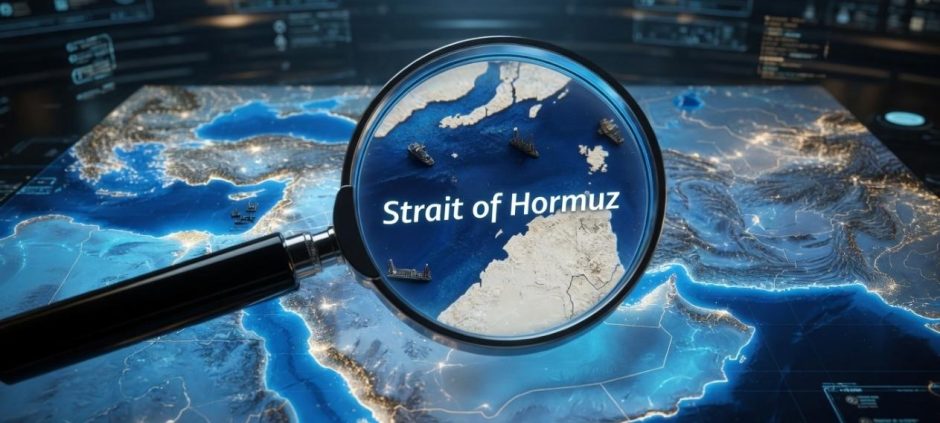
In response, Iran issued a strong warning about the Strait of Hormuz. Officials said the country could again restrict access to this key global route. The Strait of Hormuz is one of the world’s most important oil shipping lanes. Any disruption could impact global energy supplies.
Iran’s Parliament Speaker Mohammad Bagher Ghalibaf said Tehran may take control of the waterway if pressure continues. He warned that the Strait of Hormuz could be closed if the US blockade remains.
Iran’s Defence Ministry also supported this stance. Spokesman Reza Talaei-Nik said the situation is temporary. He explained that the waterway is open only due to the fragile ceasefire. He added that military or hostile vessels may not be allowed to pass.
At the same time, Iran’s Foreign Minister Abbas Araghchi confirmed that commercial shipping is still ongoing. He said the route remains open under current conditions. Trump also acknowledged that ships are moving through the area.
Despite this, both sides continue to exchange strong statements. The US insists that its naval blockade will continue. Iran maintains that it has the authority to control access if tensions rise further.
The coming days are critical. The Wednesday deadline may decide the future of the ceasefire. If talks fail, the region could return to conflict. This would place global oil markets at risk, especially if the Strait of Hormuz is affected.
In other news read more about: Trump Thanks Pakistan Leadership After Strait of Hormuz Reopening
For now, the situation remains uncertain. Diplomacy is ongoing, but the risk of escalation is still high.