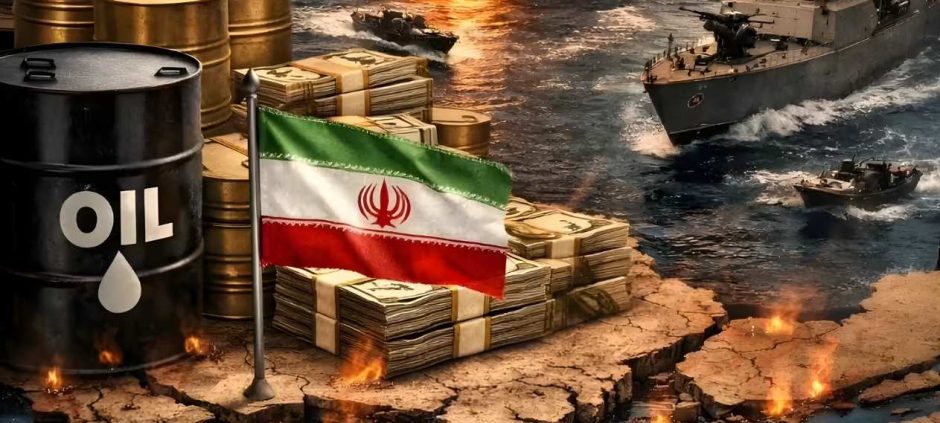
Global energy markets faced sharp volatility on Monday after talks between the United States and Iran ended without an agreement. The long 21-hour meeting, led by US Vice President J.D. Vance, failed to resolve key issues. This outcome raised fears of a wider conflict and possible disruption in energy supply.
Following the breakdown in negotiations, Oil prices surged across major markets. West Texas Intermediate (WTI) crude jumped nearly 8 percent, reaching around $104.95 per barrel. Brent crude, the global benchmark, also climbed about 7 percent to near $102. These sudden gains highlighted strong market concerns about supply risks.
The recent rise in Oil prices came after a short period of stability. Last week, markets had reacted positively to a temporary ceasefire. That truce was reportedly supported by diplomatic efforts involving Pakistan. However, the optimism did not last long as tensions continued in the region.
Ongoing military activity further increased uncertainty. Reports confirmed that Israel continued strikes in Lebanon despite the fragile ceasefire. At the same time, the Strait of Hormuz remained under pressure, raising concerns about global shipping routes. This key passage handles a large share of the world’s Oil supply, making any disruption highly significant.
In another major development, US President Donald Trump announced plans for a naval blockade. He said the US Navy would enforce restrictions after the failed talks with Iran. The move is expected to increase pressure on Tehran while also impacting global trade routes.
The US Central Command (CENTCOM) stated that the measures would apply to all vessels linked to Iranian ports. However, officials clarified that the Strait of Hormuz would remain open for ships not connected to Iran. This statement aimed to calm fears of a complete shutdown of global shipping lanes.
Meanwhile, the US dollar strengthened in early trading. It reached a one-week high as investors shifted toward safer assets. Analysts say rising geopolitical risks often push both the dollar and Oil prices higher.
In other news read more about: Saudi Arabia Restores East-West Pipeline and Key Energy Facilities
Experts warn that continued tensions could lead to further price increases. Energy markets remain highly sensitive to political developments in the region. Any escalation may affect global supply chains and increase costs for consumers worldwide.