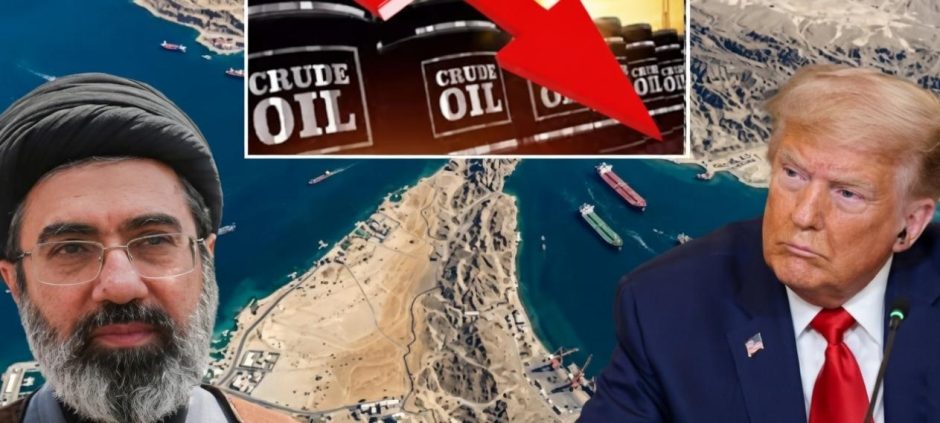
Global energy markets recorded a sharp decline after a major geopolitical development. Oil Prices dropped significantly following the announcement of a temporary ceasefire between the United States and Iran.
US President Donald Trump confirmed a fragile two-week ceasefire. The move came after diplomatic discussions involving Pakistan’s leadership. This announcement reduced fears of supply disruptions in the region.
As a result, Oil Prices reacted immediately across global markets. West Texas Intermediate (WTI) crude fell to $96.06 per barrel. This marked a drop of $16.89, or nearly 15 percent. Brent crude also declined to $94.31 per barrel, down $14.96, or 13.69 percent.
Murban crude saw one of the largest declines. It dropped by $22.48, or 18.85 percent, settling at $96.78 per barrel. These figures highlight how sensitive Oil Prices are to geopolitical changes.
Other energy benchmarks also recorded losses. Natural gas prices fell by 4.25 percent to $2.748 per MMBtu. Gasoline prices declined by 10.60 percent to $2.955 per gallon. Heating oil dropped sharply by 18.33 percent to $3.657 per gallon. WTI Midland also decreased by nearly 14 percent to $101.98 per barrel.
The ceasefire announcement played a key role in easing market concerns. Investors had feared disruptions in oil supply, especially through the Strait of Hormuz. This route is one of the world’s most important energy shipping lanes.
Trump described the agreement as a “double-sided ceasefire.” He stated that the United States will pause military actions for two weeks. Iran is also expected to halt its defensive operations during this period.
The US president linked the ceasefire to the reopening of the Strait of Hormuz. He emphasized that safe and secure passage through the route is essential. This assurance helped stabilize global markets and pushed Oil Prices downward.
Trump also expressed optimism about ongoing diplomatic talks. He said both sides are close to reaching a long-term agreement. According to him, most key issues have already been addressed.
Reports suggest that Iran has presented a 10-point proposal. This plan is being considered as a framework for future negotiations. The two-week window is expected to be used for final discussions.
Global markets and governments are closely monitoring the situation. The sharp movement in Oil Prices reflects both previous tensions and current optimism. Analysts believe that if the ceasefire holds, markets may continue to stabilize.
In other news read more about: Iran’s Abbas Araghchi Thanks PM Shehbaz Sharif, Asim Munir for Mediation in US-Iran Ceasefire Efforts
However, experts warn that the situation remains uncertain. Any breakdown in talks could quickly reverse the current trend. For now, the decline in Oil Prices signals a temporary sense of relief in global energy markets.