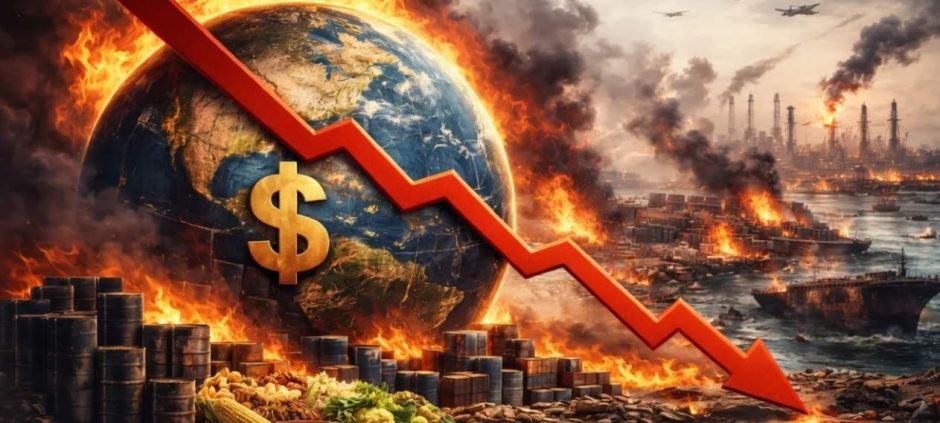
The global economy is facing growing uncertainty as the ongoing Middle East conflict continues to disrupt energy supplies. Rising oil prices have increased pressure on countries worldwide, raising concerns about inflation and economic stability. The International Monetary Fund has warned that the situation could have long-lasting effects on global growth.
According to the IMF, the conflict has already pushed oil prices higher and reduced supply levels. This has created challenges for industries that rely on energy, including transport and manufacturing. The impact is also spreading to related sectors such as fertilisers and gas shipments.
IMF Managing Director Kristalina Georgieva stated that the current crisis could lead to higher inflation and slower economic growth. She said even if the conflict ends soon, its economic effects may continue for some time. The IMF believes the situation is creating an “asymmetric shock” for the global economy.
Before the conflict, the IMF had expected a slight improvement in global growth. Projections suggested growth could reach 3.3 percent in 2026 and 3.2 percent in 2027. However, these forecasts are now under review due to the current crisis. Officials have signaled that a downgrade in growth outlook is likely.
The issue is expected to dominate upcoming meetings of global financial leaders. Finance officials will gather in Washington for the spring meetings of the IMF and World Bank. The IMF is also set to release its updated World Economic Outlook on April 14, which will include different scenarios based on the conflict.
Experts warn that vulnerable countries will be the most affected. Many nations depend heavily on imported energy and have limited financial resources. These countries may struggle to manage rising costs and support their populations. This increases the risk of economic instability and social unrest.
The IMF has noted that around 85 percent of its member countries are energy importers. This makes them highly exposed to rising fuel prices. Some countries have already approached the IMF for financial support to manage the crisis.
Officials say the world is entering a period of high uncertainty. Along with geopolitical tensions, other challenges such as climate change and technological shifts are also affecting economies. The IMF has urged governments to stay prepared and respond carefully to avoid deeper economic problems.
In other news read more about: Government Suspends Transport Service in FG Schools Parents Face Difficulties
Overall, the IMF warning highlights the serious risks facing the global economy. Rising inflation and slower growth are now key concerns as the impact of the conflict continues to spread.