Pakistan is facing growing economic pressure as fuel prices reach record levels across the country. The latest increase has placed Pakistan among the most fuel-unaffordable nations in the world. According to recent data, petrol prices have surged to Rs458.40 per litre after a sharp increase of Rs137.23.
Diesel prices have also followed the same trend. The cost of diesel has risen to Rs520.35 per litre. This sharp rise in fuel costs is affecting transport, businesses, and daily life in Pakistan. Many citizens are now struggling to manage rising expenses.
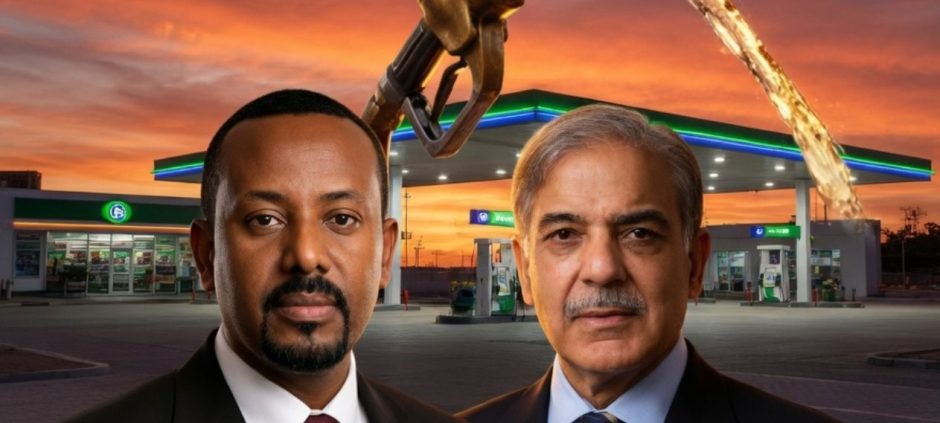
Experts say that Pakistan now ranks as the second most fuel-unaffordable country globally. Only Ethiopia is placed above Pakistan in this ranking. Despite being landlocked and dependent on imports, Ethiopia faces even higher affordability challenges.
Analysts believe that the situation in Pakistan is complex. The country has access to ports and some level of local oil production. Around 18 percent of Pakistan’s oil demand is met through domestic resources. However, this has not been enough to control rising prices.
Global oil price increases have played a major role in the current situation. International market trends have pushed fuel costs higher for many countries. However, in Pakistan, the impact has been more severe due to economic conditions.
One major issue is stagnant income levels. While fuel prices continue to rise, the purchasing power of people has not improved. This gap has made fuel less affordable for the average citizen in Pakistan. As a result, even basic travel and transportation have become costly.
The rising fuel prices are also contributing to inflation. Transport costs are increasing, which affects the prices of goods and services. Businesses are facing higher operational expenses, which are often passed on to consumers.
Experts warn that if the trend continues, it could put further pressure on the economy. Policymakers may need to consider relief measures to support citizens. At the same time, global oil market stability will play an important role in future pricing.
In other news read more about: Public Transport Fares Increase 65% After Fuel Price Hike in Pakistan
The current situation highlights the challenges faced by Pakistan in managing energy costs. It also shows the need for long-term strategies to reduce dependence on expensive fuel imports and improve affordability for the public.