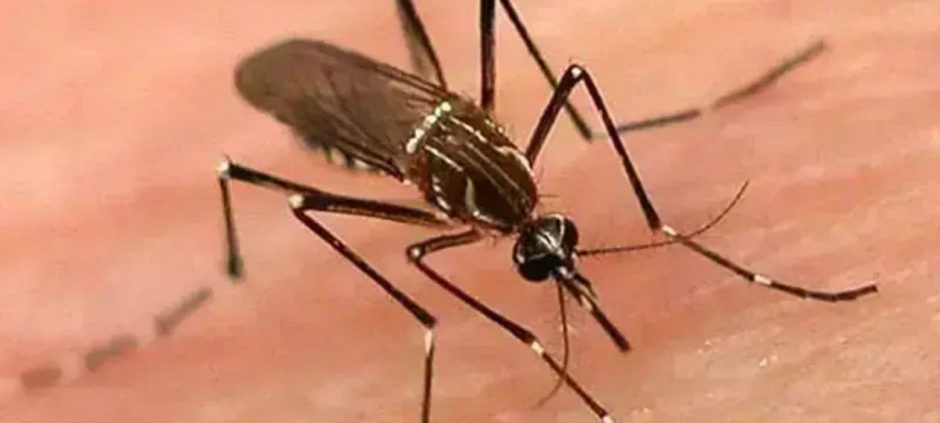
Authorities in Rawalpindi have kicked off the annual anti-dengue campaign with the arrival of spring, finalizing a comprehensive prevention plan for 2026 to curb potential outbreaks. The campaign comes as health officials warn that the warm and sunny spring conditions provide ideal breeding grounds for dengue-carrying mosquitoes.
To strengthen surveillance and response, the district has been divided into five sectors, seven zones, and 70 cluster centres, each with dedicated in-charges overseeing operations. Areas that reported dengue cases in the past three years have been declared hotspots for targeted interventions. New spray pumps, chemicals, and anti-dengue kits have been distributed to ensure readiness. Anti-dengue review meetings are scheduled to begin next week.
In a significant move to bolster field operations, the government has approved the recruitment of 3,000 daily-wage male and female dengue workers next month. Existing workers’ leaves have been cancelled to ensure full operational coverage across the city. However, controversy has emerged as authorities decided not to provide mobile phones or internet facilities to around 1,400 workers. The affected staff have protested, citing the requirement to submit daily photos and videos of field activities using personal devices and internet packages, despite earning Rs30,000–Rs35,000 per month.
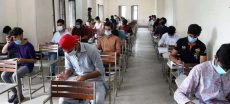
Meanwhile, the Health Department has issued new standard operating procedures for both public and private schools. Institutions have been instructed to conduct dengue awareness sessions, hold weekly awareness walks, display informational banners, and maintain cleanliness of rooftops, washrooms, and water tanks.
Deputy Commissioner Hassan Waqar Cheema has ordered all departments to intensify anti-dengue operations immediately. Hospitals in Rawalpindi are also preparing to activate dengue wards next month, ensuring that both preventive and treatment measures are in place ahead of potential seasonal outbreaks.
Also read: Dams Approved for Rawalpindi and Islamabad