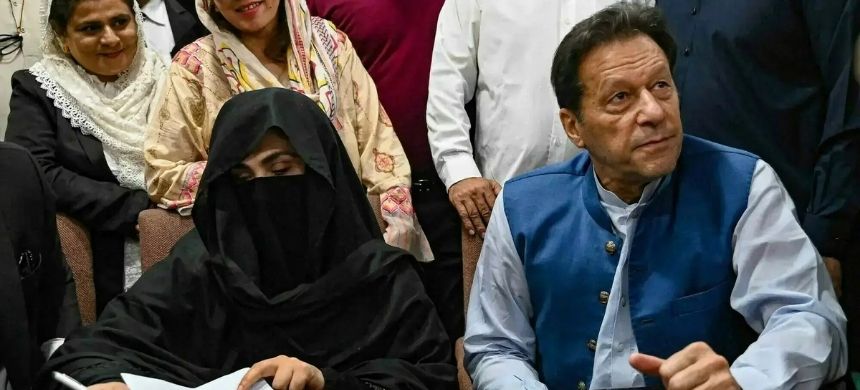
An anti-terrorism court in Rawalpindi on Saturday rejected former Prime Minister Imran Khan’s petition requesting medical examination by his personal physicians. The petition argued that he should receive treatment similar to other high-profile prisoners.
Faisal Malik, counsel for Imran Khan, said that former PM Nawaz Sharif had access to his own doctors while in jail. He argued that Imran Khan, as a former prime minister, deserved equal treatment. Malik also noted that Adiala Jail lacks proper facilities for treating eye patients.
The lawyer added that as an under-trial prisoner, Imran Khan had the right to be examined by personal physicians. He further stated that under Rule 795, his family should have been informed of his illness. Malik also questioned why the former PM was taken to PIMS late at night for treatment.
Special Prosecutor Zaheer Shah opposed the petition, saying that Imran Khan is not technically an under-trial prisoner. “He is on bail in the GHQ attack case of May 9 and is only an under-trial suspect. A criminal court cannot control custody for someone on bail,” he said.
The prosecutor emphasized that the government decides which doctor examines a prisoner. He added that Pakistan Prison Rules do not allow private physicians to treat inmates, and criminal courts cannot override these rules.
The court’s decision has sparked debate over the rights of high-profile suspects in Pakistan. Supporters of Imran Khan criticized the ruling, calling for reforms to ensure fair medical treatment for all prisoners, regardless of political position.
Legal experts said the case highlights the challenges in balancing prison regulations with the rights of prominent political figures. They noted that this decision may set a precedent for how medical care is provided to high-profile detainees in Pakistan.
In other related news also read Imran Khan vows legal battle after Toshakhana II verdict
Imran Khan’s petition reflects ongoing concerns about prisoner treatment and transparency, especially for figures involved in sensitive legal and political cases.