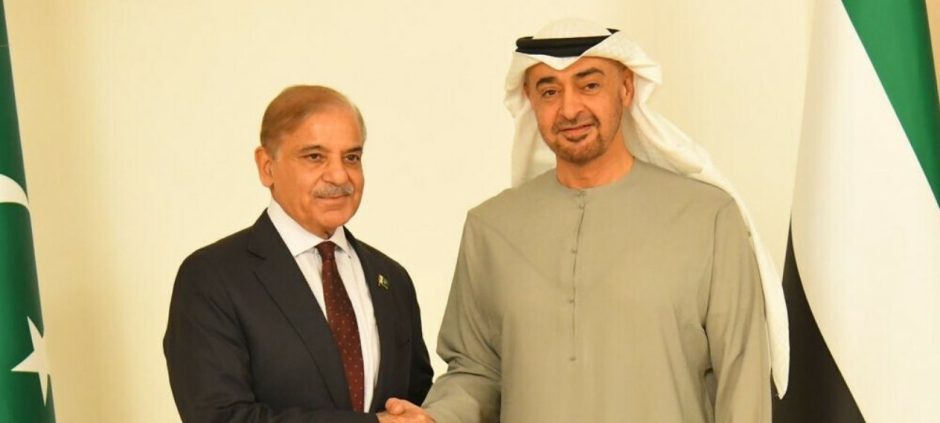
The United Arab Emirates has rolled over $2 billion in loans to Pakistan for only one month, highlighting Islamabad’s continued dependence on short-term external financing to support its fragile foreign exchange reserves amid ongoing economic pressure.
The rollover involves two separate $1 billion facilities that matured on January 16 and January 22, with the UAE granting temporary relief while discussions continue on extending the loans under revised terms.
Pakistan is pushing for a longer two-year extension and has requested a reduction in the interest rate to nearly 3 percent, aiming to reduce the growing burden on its external account and debt servicing costs.
This brief rollover marks a departure from past practice, as the UAE had traditionally granted annual extensions on deposits placed with the State Bank of Pakistan over the last several years.
Officials familiar with the matter said the short tenor reflects ongoing negotiations on both maturity and pricing, adding that clarity on the final structure of the loans is expected soon.
Under Pakistan’s $7 billion International Monetary Fund programme, the UAE, Saudi Arabia, and China have pledged to maintain a combined $12.5 billion in deposits at Pakistan’s central bank through September next year.
The UAE loans are particularly important, as the $2 billion facility represents a sizable share of Pakistan’s nearly $16 billion in foreign exchange reserves.
At the current interest rate of 6.5 percent, the UAE funding costs Islamabad around $130 million annually, further straining public finances already under IMF supervision.
Pakistan has been rolling over UAE support repeatedly since receiving the initial $2 billion facility in 2018, with an additional $1 billion deposit added in 2023.
The extra funding helped Pakistan meet key IMF financing conditions at a time when access to international capital markets remained extremely limited.
Initially, the UAE charged interest of about 3 percent on its deposits, but the rate was increased last year amid rising global interest rates and tighter financial conditions.
Islamabad has now formally requested a rate cut, citing improvements in Pakistan’s credit outlook, stabilising macroeconomic indicators, and easing global borrowing costs.