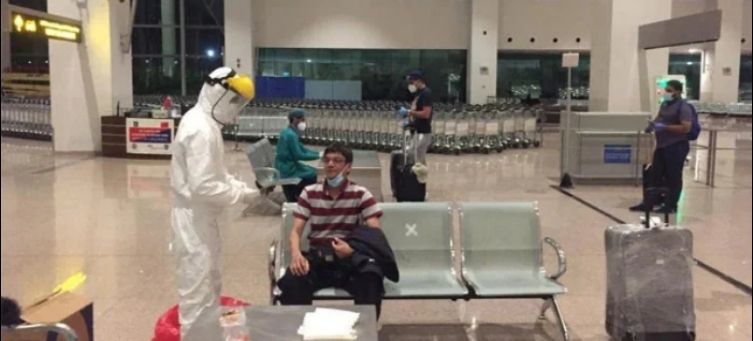
Pakistan has stepped up health precautions after the Nipah virus resurfaced in neighboring India, triggering serious concerns about possible cross-border transmission. Following confirmation of two Nipah virus cases in India, authorities in Islamabad ordered immediate emergency screening of all incoming passengers at airports and border entry points to prevent the spread of the deadly infection.
With the situation escalating, Pakistan has joined a growing number of Asian countries placed on high alert. Reports indicate that nations including Thailand, Singapore, Hong Kong, Malaysia, Indonesia, and Vietnam have also strengthened airport surveillance and health screening measures amid fears of a wider regional outbreak.
Health experts warn that the Nipah virus is among the most dangerous viruses known, with a very high fatality rate. The infection can lead to severe respiratory complications, persistent cough, sore throat, intense fatigue, muscle pain, and, in many cases, acute brain inflammation that can prove fatal. Due to the seriousness of the symptoms, early detection and containment are considered critical.
Pakistan’s Border Health Services Department stated that strict preventive measures were now unavoidable. Authorities have made thermal screening, medical examinations, and detailed travel history checks mandatory for all arriving passengers. Travelers are required to provide information about their movements over the past 21 days to help officials identify potential exposure to high-risk regions.
Globally, the threat posed by the Nipah virus continues to raise alarm. By December 2025, more than 750 confirmed cases had been reported worldwide, resulting in at least 415 deaths. Despite ongoing research, no approved vaccine is currently available. However, several vaccine candidates remain under development, supported by funding from the Coalition for Epidemic Preparedness Innovations.
Pakistani health officials have urged vigilance and cooperation from travelers, emphasizing that early screening and preventive action are essential to protect public health and avoid a potential outbreak within the country.
Read more: Nipah Virus Triggers Quarantines and Travel Screening in Asia