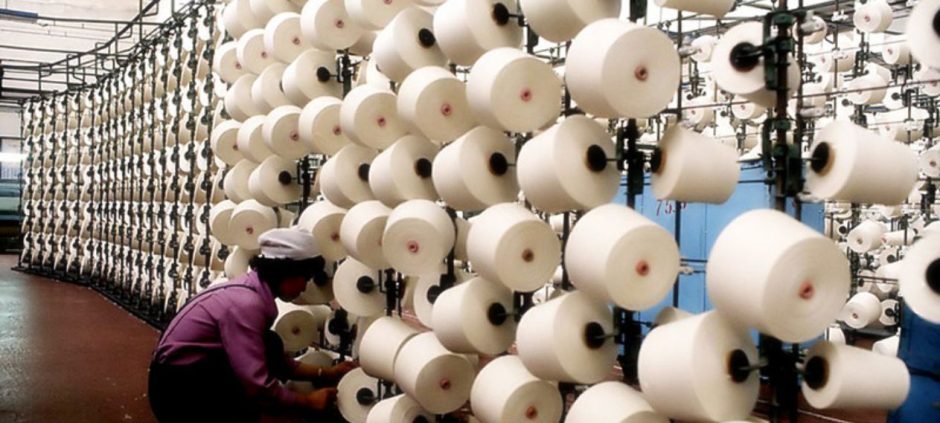
Pakistan’s textile sector showed clear recovery signs in 2025 as Cotton Yarn exports to China crossed the $450 million mark. The rise confirmed strong demand and better trade performance between the two countries.
Data from China’s General Administration of Customs showed exports worth more than $451 million during the year. The figures highlighted the growing role of Cotton Yarn in Pakistan’s export earnings and industrial revival.
One major category led the growth. Uncombed single cotton yarn under HS code 52051100 earned $233.57 million in 2025. This was higher than $222.73 million in 2024. The increase reached almost five percent in one year.
Another category also performed well. Exports under HS code 52051200 reached $212.56 million. This showed strong and steady shipments across different yarn types.
China remained Pakistan’s largest buyer of yarn products. Pakistan ranked as the second-largest supplier in this category to China. Vietnam stayed on top with exports worth nearly $342 million. Malaysia and Bangladesh followed far behind.
Provincial data revealed where the yarn was used. Fujian imported the highest volume from Pakistan. The value crossed $107 million in this province alone. Guangdong followed up with more than $72 million in imports. Beijing received over $18 million worth of yarn.
Other regions also showed strong demand. These included Zhejiang, Jiangsu, Anhui, Hunan, Shandong, and Xinjiang. The widespread confirmed deep links between Pakistani spinners and Chinese factories.
Trade moved through several channels. These included ordinary trade and bonded routes. Processing trade and customs warehousing also increased. Experts said this reflected better supply planning and stronger logistics systems.
Industry officials welcomed the trend. Sajjad Mazahir of Keywin Trading said exports now rely on long-term contracts. He said Chinese buyers trust Pakistani quality and prices. Pakistani firms now earn steady foreign exchange from these deals.
China’s garment industry also gained from this flow. Many factories used Pakistani Cotton Yarn to avoid higher tariffs in western markets. This helped Chinese exporters stay competitive in 2025.
Success came despite many challenges. Heavy rains reduced cotton output. Energy costs stayed high. Financing remained expensive. Still, spinners regained market share from mid-2025.
Monthly yarn exports stayed between $35 and $40 million. Industry leaders called this performance a positive sign during a difficult year. You can read more about rising production costs in our news on Farmers Demand GST Relief on Local Cotton as Costs Soar to understand the challenges faced by growers.
Experts, however, warned about future risks. Pakistan still exports mostly raw material. Value-added products remain limited. Cotton supply remains unstable. Energy prices continue to hurt profits.
Specialists urged reforms. They called for better cotton farming, cheaper power, and digital trade systems. They said this could help Pakistan grow beyond raw yarn sales.
For now, the strong rise in Cotton Yarn exports offers hope. The textile sector appears to be moving back toward stable growth.