Limited internet connectivity has gradually been restored in Iran, according to monitoring groups, nearly 10 days after authorities imposed a nationwide communications blackout amid widespread protests and a harsh security crackdown.
The shutdown began on January 8 as demonstrations intensified across the country. Rights organizations claim the blackout was deliberately used to conceal a violent response by security forces, which they allege resulted in thousands of deaths. Iranian authorities have strongly rejected these claims, maintaining that security measures were necessary to restore order.
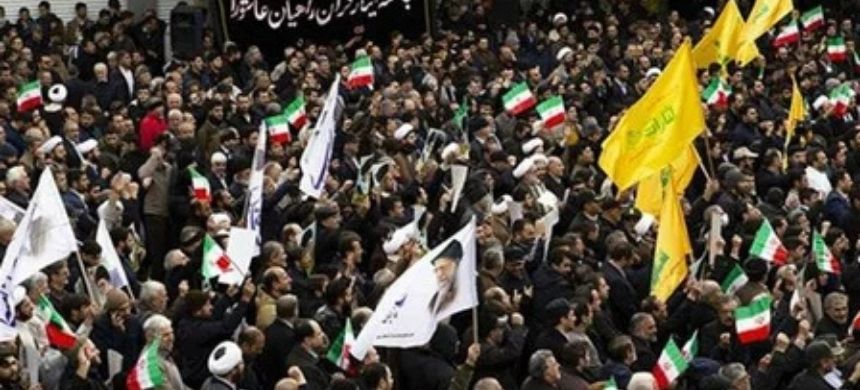
The protests erupted in late December, initially driven by public frustration over rising prices, unemployment, and broader economic hardship. What began as scattered demonstrations soon escalated into nationwide rallies, widely described as one of the most serious challenges to Iran’s leadership in recent years. Officials insist the protests were peaceful at first but later turned into riots, which they say were encouraged by foreign powers, including the United States and Israel.
As unrest spread in Iran, tensions also rose internationally. Former US president Donald Trump, who previously supported Israel during its 12-day conflict with Iran in June, issued strong remarks criticizing Iran’s leadership. In a recent interview, Trump suggested Iran needed new leadership and accused the country’s rulers of violence and mismanagement.
In response, Iranian President Masoud Pezeshkian issued a sharp warning, stating that any attack or threat against Supreme Leader Ayatollah Ali Khamenei would be considered an act of war against the Iranian nation. His remarks underscored the seriousness with which Tehran views external criticism of its leadership.
Despite the heated rhetoric between Washington and Tehran, Iranian officials now say stability has largely returned. Authorities claim the situation on the streets is under control and that daily life is gradually resuming.
AFP correspondents reported a visible security presence in central Tehran, with armored vehicles and motorcycle units deployed at key locations. While internet access has partially returned, restrictions remain in place in some areas, and monitoring groups continue to watch developments closely as Iran navigates the aftermath of the protests and growing international pressure.
Also Read: Iran Calls Pakistani Charge D’affaires To Protest Retaliatory Airstrikes