ISLAMABAD – The federal government has decided to maintain the current prices of petrol and High-Speed Diesel (HSD) for the second half of January 2026. This decision comes despite a noticeable decline in international oil prices.
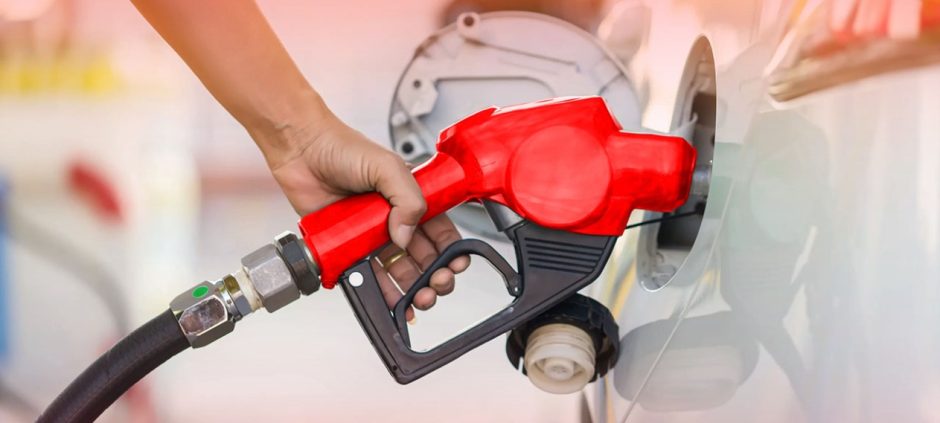
Instead of passing the benefit of lower global rates to the public, the government has increased the Petroleum Levy Pakistan. This move aims to secure higher non-tax revenue for the current fiscal year.
Breakdown of Current Fuel Levies
Starting January 16, 2026, the total tax and levy burden on petrol has reached approximately Rs. 87 per litre.
This figure includes a revised Petroleum Levy (PL) of Rs. 84.27 per litre and a Climate Support Levy (CSL) of Rs. 2.50 per litre.
For High-Speed Diesel, the total levy now stands at around Rs. 79 per litre. This includes a PL of Rs. 76.21 and the same climate charge. While the government is not currently charging General Sales Tax (GST) on these products, other costs like customs duty and freight margins remain part of the final pump price.
Impact on Consumers and Revenue Goals
Public expectations for a price cut of up to Rs. 5 per litre were high due to global trends. However, the Petroleum Division’s notification confirmed that petrol will stay at Rs. 253.17 per litre and HSD at Rs. 257.08 per litre.
By jacking up the Petroleum Levy in Pakistan, the government is moving toward its ambitious revenue target of Rs. 1,468 billion for the fiscal year 2025-26.
This strategy enables the federation to meet the fiscal requirements established under international agreements.
Economic Consequences
Economists note that while price stability is helpful, the high levy prevents a reduction in transportation costs. HSD prices are particularly critical as they influence the cost of food and essential goods.
For now, commuters and the transport sector will have to manage without the anticipated relief as the government prioritizes its revenue streams.
While fuel taxes help the local budget, the national economy is also seeing a boost from abroad. For instance, Remittances Hit $3.6bn, Boosting Pakistan’s Economy in December, providing much-needed support to the country’s foreign reserves.