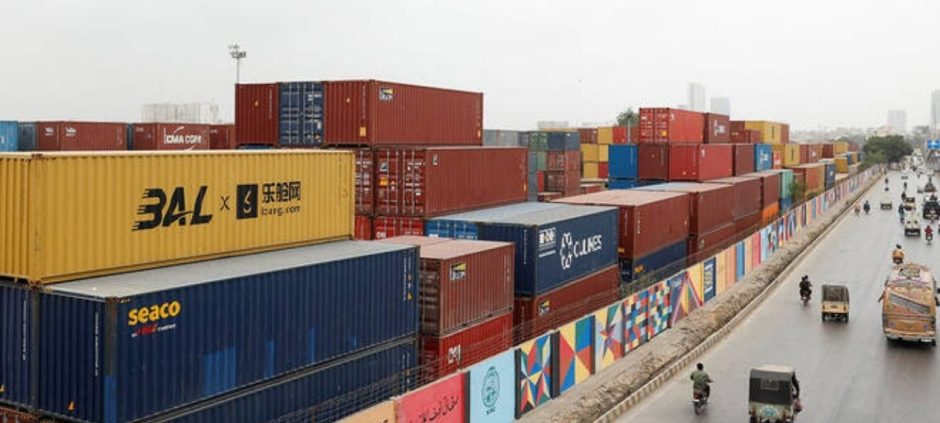
The Ministry of Commerce has instructed the Federal Board of Revenue (FBR) to allow the re-export of stranded Afghan Cargo from Pakistani ports. Exporters or their clearing and forwarding agents can request the re-export of their containers.
According to the ministry, Afghan transit trade containers stuck at the ports of Karachi, Gwadar, and Border Crossing Points can now be re-exported to any seaport. The directive includes containers originating from Vietnam and Malaysia, giving exporters more flexibility to manage their goods.
In addition, the ministry allowed an exemption from para 6(4) of the Import Policy Order 2022, which governs imports under APPTA 2010. This ensures that the re-export of Afghan Cargo complies with the rules of the agreement notified by the federal government.
The development follows a recent inter-ministerial meeting chaired by the Ministry of Commerce joint secretary. The meeting included all relevant stakeholders to design a strategy for clearing cargo stuck at seaports due to the Pak-Afghan border closure since October 11, 2025.
Officials said the move will help reduce congestion at ports and prevent losses for exporters. Timely re-export of Afghan Cargo is expected to improve trade flow and support logistics companies affected by the border closure.
Exporters welcomed the decision, stating that it will resolve delays and ensure smoother transit operations. Authorities emphasized that all re-export processes must follow federal guidelines to maintain transparency and proper documentation.
The government also highlighted that the step will strengthen Pakistan-Afghanistan trade relations and improve operational efficiency at major ports. Continuous monitoring of cargo movement is planned to prevent further bottlenecks.
In other related news also read Details Inside On Russian Plane Crash Near Ukraine
This decision marks a significant step in facilitating Afghan Cargo transit and ensuring that stranded goods do not affect regional trade. Exporters and port authorities are now working to implement the re-export plan efficiently.