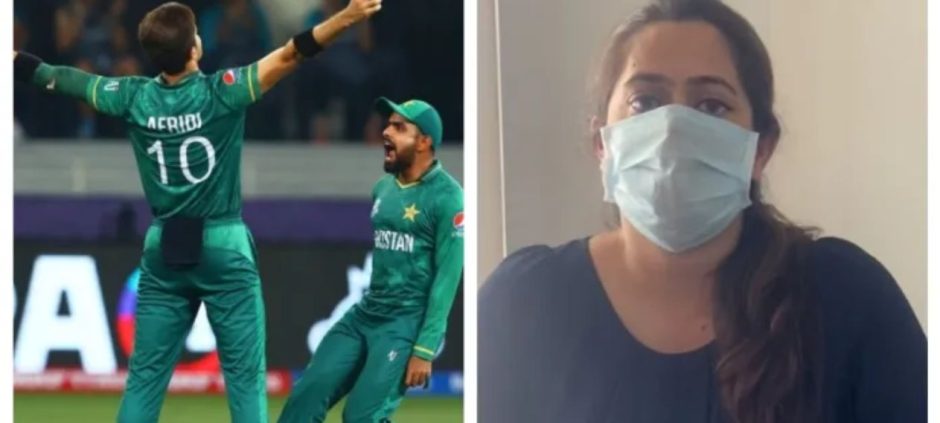
Nafisa Atari, a teacher at Neerja Modi School in Udaipur, Rajasthan, became the center of public attention after she was terminated from her job. The controversy started when a WhatsApp post by Atari went viral during the T20 World Cup between India and Pakistan. The post shared an image of Pakistani cricket players with the caption, “Jeet gaye, we won.” The post drew widespread criticism on social media, leading to an FIR under section 153B of the Indian Penal Code being filed against her at the Amba Mata Police Station in Udaipur.
Atari explained that the post did not reflect on her personal political beliefs. She stated that her family had divided themselves into two groups, each supporting one team during the match. Half of her family members, along with Atari herself, were cheering for Pakistan. She emphasized that they were merely enjoying the game and did not intend to insult or oppose India in any way.
Impact on Career and Job Termination
Following the viral post, Neerja Modi School took immediate action and terminated Nafisa Atari from her teaching position. The school cited the controversy and public backlash as the reason for the dismissal. Atari expressed regret over the situation and clarified that her intention was only to support her family members who were watching the game and that she did not personally favor Pakistan over India.
This incident sparked debates across social media platforms, with many questioning the fairness of punishing individuals for personal choices during sports events. The case also raised concerns about freedom of expression and the role of social media influencing professional reputations.
Legal Actions and FIR Filing
An FIR was registered against Nafisa Atari under section 153B of the Indian Penal Code, which deals with imputation, assertions, and statements prejudicial to national integration. The FIR was filed at Amba Mata Police Station in Udaipur following complaints from local citizens. Atari’s legal representatives have stated that the FIR is based on a misunderstanding and argued that the social media post was related to cricket fandom and family activities, not political support for another country.
Legal experts have noted that such cases are increasingly common in India when social media posts intersect with issues of patriotism and national sentiment. The case against Atari may set a precedent regarding how online activities are interpreted legally in professional contexts.
Public Reaction and Social Media Debate
The public reaction to the Nafisa Atari case has been highly polarized. Some social media users have criticized the school and authorities for acting harshly against a teacher who shared her support for a cricket team. Others argued that showing support for a rival nation in a sensitive India-Pakistan match could be seen as offensive.
Analysts suggest that this case highlights the growing scrutiny of social media behavior in professional and public life. Many argue that individuals should have the freedom to enjoy sports without fear of losing their jobs or facing legal action.
Family Statement and Context
Nafisa Atari clarified that her family’s support for Pakistan in the cricket match was purely for enjoyment. She stated that they had fun cheering for different teams and that her actions were not politically motivated. This statement was aimed at reducing the negative attention she received and emphasizing that the incident was limited to a sports context.
For more updates on cricket controversies and player news, check out our coverage of the Pakistan-India T20 World Cup Match Expected on Feb 8 in Colombo. Stay informed with the latest developments and match schedules for the upcoming T20 World Cup clash.
Future Implications for Teachers and Social Media
The incident involving Nafisa Atari may influence how teachers and other professionals use social media. Experts suggest that employees need to be careful with posts that can be interpreted as controversial, especially in countries with sensitive national issues. Social media policies and professional conduct guidelines may become stricter in educational institutions following this case.
Conclusion
Nafisa Atari’s situation illustrates the challenges of navigating social media in a highly polarized environment. While the post was related to cricket fandom, it led to job termination and legal action, highlighting how online activity can affect careers. This case has sparked a larger debate on personal freedom, professional accountability, and the influence of social media in modern society.
Atari’s story also raises questions about how institutions and society respond to minor controversies that can escalate due to viral content. It is a reminder for individuals to exercise caution while expressing opinions online, even in non-political contexts.