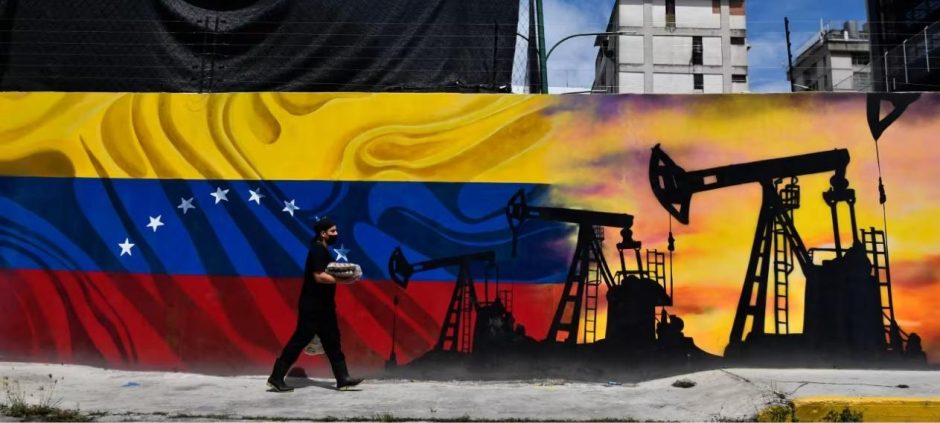
The global oil market is facing renewed uncertainty as political turmoil in Venezuela, combined with stringent US sanctions, raises concerns over rising petroleum prices. Analysts warn that the situation could trigger volatility in energy markets worldwide, impacting supply, pricing, and investor sentiment.
Following the recent US intervention in Venezuela, the country with the world’s largest crude reserves, President Trump indicated Washington’s intention to take control of the nation’s oil resources. This development sent shockwaves through global markets, with investors seeking safe-haven assets such as gold amid growing geopolitical tensions.
As of January 5, global petroleum supply remains ample. However, further disruptions in Venezuelan exports could lead to immediate price increases. US sanctions have effectively halted most Venezuelan oil exports since early January, forcing state-owned PDVSA to reduce production. Storage facilities are reportedly overflowing with millions of barrels trapped in tankers and depots.
Despite the sanctions, Venezuela’s production and refining infrastructure have not been directly damaged by the US attack. Nevertheless, December exports fell to roughly 500,000 barrels per day, about half of November’s output. Post-January regulations allow only Chevron to export a limited 100,000 barrels daily.
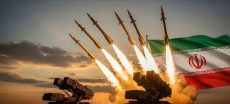
OPEC and its allies have decided to maintain production levels through the first quarter, citing ongoing global uncertainty. Energy experts warn that geopolitical risks in both Venezuela and Iran could push oil prices higher. Increased production from other oil-producing nations may offset some disruptions, but market volatility remains a concern.
The long-term outlook is tense. President Trump has signaled a hardline approach toward Iran, raising concerns over potential escalation in the Middle East, which could further affect global oil supply. While US authorities plan to invest in Venezuela’s oil industry to restore production, decades of mismanagement mean rapid recovery is unlikely.
Investors and energy analysts continue to monitor the situation closely, noting that Venezuela’s production disruptions, combined with broader geopolitical risks, may influence global energy prices and economic stability in the coming months.