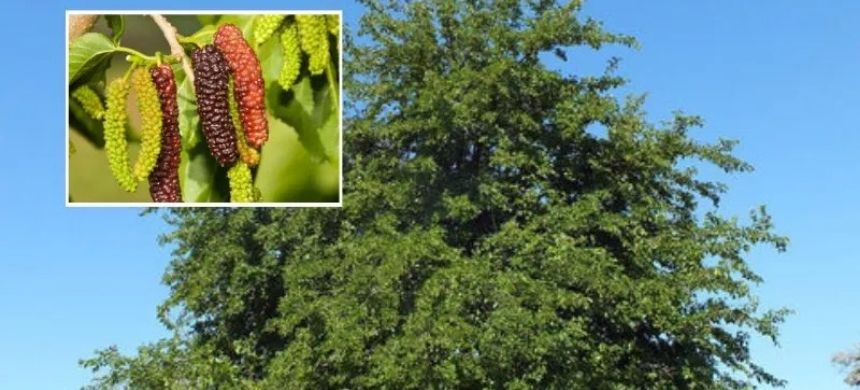
The Capital Development Authority (CDA) has initiated a large-scale drive in Islamabad to remove Paper Mulberry trees, which have been identified as a significant cause of severe pollen allergies and asthma in the city. Scientific studies have consistently linked Paper Mulberry pollen to increased respiratory illnesses during the spring season, prompting urgent action from authorities.
Following a Public Interest Litigation, the Islamabad High Court formed a technical committee of specialists to examine the impact of these trees on public health. The committee unanimously recommended that Paper Mulberry trees be phased out and replaced with native, environmentally friendly species. This recommendation received support from the Supreme Court through an expert panel and was also backed by directives from the Prime Minister’s Office, giving the plan a high-level endorsement.
Officials have emphasized that the removal operation is being carefully supervised to ensure that only Paper Mulberry trees are cut, preventing any harm to other tree species. To maintain ecological balance and compensate for the loss of tree cover, the CDA has adopted a three-for-one replacement strategy, planting three native trees for every Paper Mulberry removed.
IN recent dvelopments, it was announced Islamabad to Replace Mulberry Trees with Allergy-Safe Species
A tender has been issued for the plantation of 20,000 indigenous trees, with cleared sites scheduled for replanting in Spring 2026. This initiative aims not only to reduce allergy and asthma risks but also to enhance the city’s green landscape with native species better suited to the local environment. The CDA has urged residents to support the campaign and highlighted that these steps are part of a broader effort to improve public health and environmental sustainability in Islamabad.