Saudi Arabia’s air defence systems have reportedly intercepted several projectiles launched by Yemen’s Houthi group, including a drone heading towards the Makkah region and two ballistic missiles targeting the capital, Riyadh.
The Saudi-led coalition announced on Friday that its forces had destroyed a drone in mid-air before it could reach its intended destination. The interception came a day after debris from intercepted ballistic missiles injured a Saudi citizen and damaged residential properties and vehicles in Riyadh.
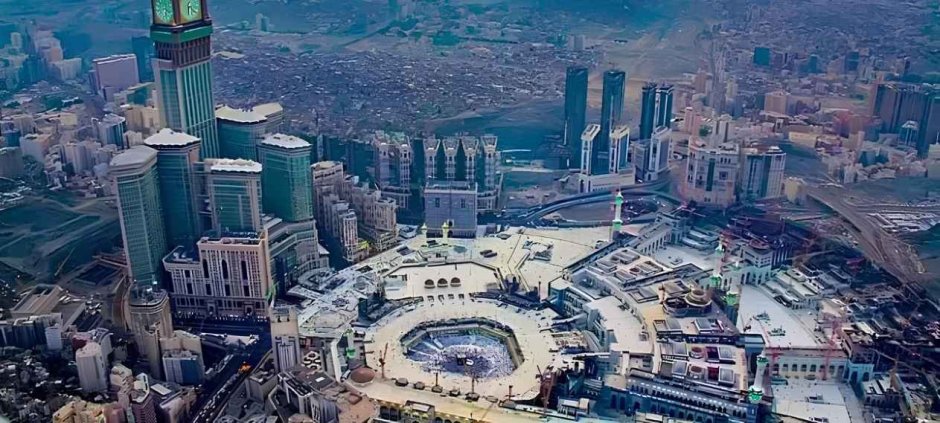
The latest developments have raised fresh security concerns across the Kingdom, particularly because the reported drone interception involved the region surrounding Makkah, one of Islam’s holiest cities.
According to the coalition, the intercepted projectiles were part of attacks attributed to the Iran-backed Houthi movement in Yemen.
Saudi Coalition Intercepts Drone in Makkah Region
Saudi-led coalition spokesperson Turki al-Maliki said air defence forces had intercepted and destroyed a drone launched towards the Makkah region.
The drone was reportedly destroyed in mid-air before reaching its intended destination.
The coalition attributed the launch to Yemen’s Houthi group, although the Houthis had not immediately issued a response to the latest interception announcement.
Saudi authorities also reported thwarting a separate cruise missile attack in western Saudi Arabia. The missile was intercepted and destroyed before reaching its target.
The incidents demonstrate the continuing security challenges facing Saudi Arabia amid the prolonged conflict involving the Houthis and Yemen’s internationally recognised government.
The reported interception near Makkah has attracted particular attention because of the religious significance of the city, which welcomes millions of Muslim pilgrims and visitors every year.
Two Ballistic Missiles Targeting Riyadh Intercepted
Saudi Arabia’s Civil Defense also confirmed that two ballistic missiles launched towards Riyadh had been intercepted.
According to the directorate, debris from the intercepted missiles fell in a residential area, injuring one Saudi citizen and damaging homes and vehicles.
An earlier statement from the authorities described the injuries as minor and confirmed damage to a house and a vehicle.
Although the missiles were destroyed before reaching their intended destination, falling debris created risks for residents in the affected neighbourhood.
The incident highlights the dangers associated with missile interceptions over populated areas, where fragments from destroyed projectiles can cause injuries and property damage.
Saudi authorities have continued monitoring the situation as the Kingdom’s air defence systems respond to reported aerial threats.
Houthis Deny Targeting Makkah and Madinah
The Houthi movement has repeatedly rejected accusations that it attempted to target the holy cities of Makkah and Madinah.
The latest denial follows a similar statement issued on October 24, when the group dismissed allegations that it had launched ballistic missiles towards the two cities.
Saudi-led coalition officials, meanwhile, have continued reporting interceptions of projectiles attributed to the group.
The competing statements highlight the conflicting accounts surrounding the attacks and their intended destinations.
As of the latest report, there was no immediate Houthi response to Friday’s announcement regarding the intercepted drone in the Makkah region.
The claims about the intended targets therefore remain disputed, with Saudi authorities and the Houthi movement presenting different accounts.
Yemeni Forces Report Operations Against Houthis
Separately, Yemeni forces claimed to have carried out 982 military operations against Houthi positions over the preceding 24 hours.
According to the figures released by the forces, 324 Houthi fighters were killed during the reported operations.
They also claimed to have destroyed 108 Houthi vehicles and intercepted or destroyed a shipment of weapons.
These figures were provided by Yemeni forces and have not been independently verified.
The reported military activity reflects the continuing intensity of the conflict in Yemen, where fighting between the Houthis and forces supporting the internationally recognised government has continued for years.
The situation remains complex, with military operations, cross-border security threats and regional tensions affecting the wider Arabian Peninsula.
Background of the Yemen Conflict
Yemen has experienced prolonged conflict since the Houthi movement seized the capital, Sanaa, and several other areas in September 2014.
The development triggered a political and military crisis that eventually led to the intervention of a Saudi-led coalition in March 2015.
The coalition entered the conflict in support of Yemen’s internationally recognised government and against the Houthi movement.
Since then, the conflict has involved repeated military operations, airstrikes, missile launches and cross-border attacks.
Saudi Arabia has faced several reported attacks involving drones and missiles launched from Yemen, prompting the Kingdom to strengthen its air defence arrangements.
Although diplomatic efforts and periods of reduced fighting have taken place, the conflict has continued to create security and humanitarian challenges.
Rising Security Concerns Across Saudi Arabia
The latest interceptions have renewed concerns about the potential consequences of further escalation between Saudi Arabia and the Houthi movement.
The reported drone interception in the Makkah region is particularly sensitive because of the city’s importance to Muslims worldwide.
Meanwhile, the missile incident in Riyadh demonstrates that even successful interceptions can result in injuries and property damage when debris falls over populated areas.
Saudi authorities are expected to continue monitoring aerial threats and coordinating security measures to protect residential areas and critical locations.
The latest developments also underline the importance of preventing further escalation in Yemen, where years of conflict have already caused widespread suffering.
For now, the reported interceptions have prevented the projectiles from reaching their intended destinations, but the risk of additional attacks remains a major concern for regional security.
Also read: Pakistan Warns Saudi Attacks Could Trigger Makkah Pact