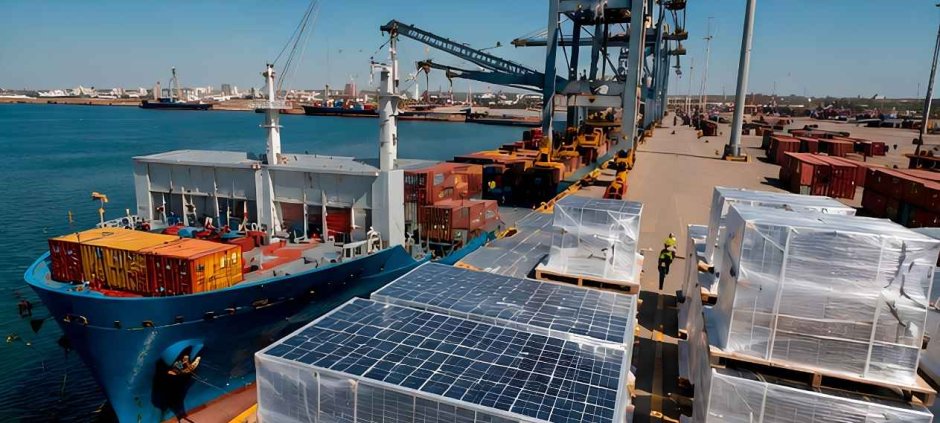
Pakistan has imported more than 4.5 gigawatts (GW) of battery storage equipment during the first six months of 2026, marking a major increase in the adoption of energy storage systems as households and businesses look for ways to reduce electricity bills.
A representative of the Pakistan Solar Association shared the figures during a parliamentary dialogue organised by the Parliamentary Forum on Energy & Economy. According to the representative, imports recorded between January and June 2026 were nearly half of Pakistan’s cumulative historical battery storage imports of 9.5GW.
The rapid increase reflects growing interest in battery storage as consumers seek greater control over their electricity costs and look for alternatives to expensive grid power. The development is also raising important questions about energy planning, grid stability, taxation and the affordability of modern energy systems.
Pakistan’s Battery Storage Market Expands Rapidly
The growing use of battery energy storage systems is changing how households and industrial businesses manage electricity consumption.
Consumers with rooftop solar installations can store surplus electricity generated during daylight hours and use it later, particularly during evening peak-demand periods. This can reduce their dependence on electricity supplied through the national grid.
During the parliamentary dialogue, Convener MNA Sher Ali Arbab said Pakistan needed a long-term energy strategy to address changing consumption patterns and improve the efficiency of the power sector.
He noted that the country’s energy requirements would continue evolving over the next two decades, with battery storage expected to become an increasingly important part of the electricity system.
Arbab also highlighted the need for a transparent legislative framework developed through consultation and cross-party consensus. Such a framework, he suggested, would help policymakers manage the rapid expansion of storage technologies while protecting consumers and the wider power sector.
Concerns Over Battery Quality and Safety
While battery adoption is increasing, lawmakers have warned that unregulated imports could create safety and environmental problems.
Co-convener MNA Dr Nafisa Shah stressed the importance of introducing proper quality standards for imported batteries. She called for reliable testing facilities, safety regulations and arrangements for recycling used battery equipment.
Her concerns reflect the need to ensure that the expansion of energy storage does not create additional risks for households, businesses and the environment.
Shah also emphasised that Pakistan’s energy policy should balance grid stability with public welfare. She argued that the benefits of clean energy should extend beyond financially stronger households and industrial consumers to include lower-income communities.
Without appropriate safeguards, the growing battery market could leave consumers exposed to substandard products and create difficulties in managing discarded batteries.
More Consumers Could Move Away From the National Grid
Moderator Usama Mela highlighted the potential impact of battery storage systems on electricity distribution companies.
He warned that an increasing number of consumers could reduce their reliance on the national grid by installing their own solar and battery systems.
Although this shift could help individual households and businesses lower electricity expenses, an unmanaged transition could create further financial pressure on the existing power system.
Electricity distribution companies continue to face the challenge of recovering costs from a changing consumer base. As more customers generate and store their own electricity, policymakers may need to reconsider how grid infrastructure and electricity costs are managed.
MNA Chaudhry Mubeen Arif Jutt and MNA Asad Alam Niazi also expressed concerns about the impact of high energy costs on industrial investment.
Jutt said industrialists were directing substantial funds towards captive solar installations and battery storage to secure affordable electricity and remain competitive with international businesses.
He warned that inadequate market-based procurement arrangements could increase costs for consumers who cannot afford independent energy systems.
Battery Taxes and High Prices Limit Affordability
The cost of battery storage equipment remains another major challenge for Pakistan’s emerging market.
Pakistan Solar Association Vice Chairperson Engr Chaudhry Uzair said cumulative taxes and customs duties on battery storage equipment ranged between 35 percent and 40 percent.
He added that a basic battery with a capacity of 5 kilowatt-hours (kWh) cost more than Rs250,000, placing the technology beyond the reach of many lower-income households.
The high upfront cost can discourage families from adopting battery storage even when the technology could help them reduce their electricity expenses over time.
The tax burden has therefore become an important issue for industry representatives, who believe that the government needs to review its approach if it wants to encourage wider adoption of energy storage.
Balochistan Could Support Local Battery Manufacturing
The parliamentary discussion also covered provincial concerns and the role of the 18th Constitutional Amendment in energy policymaking.
Participants, including Sanaullah Baloch and Phullain, called for a more decentralised approach that gives provinces a greater role in decisions affecting their natural resources and development priorities.
They pointed to Balochistan’s mineral resources, including potential lithium deposits, as an opportunity to support local battery manufacturing and create employment.
Developing domestic manufacturing capacity could potentially reduce dependence on imported equipment while supporting industrial activity. However, participants also emphasised the importance of provincial consultation over mineral extraction and related projects.
Power Division Plans Four Battery Storage Pilot Projects
The government is also preparing to introduce battery storage projects through competitive procurement.
Syed Faizan Shah, adviser to the Power Division, said the division would invite competitive tenders within 15 days for four pilot battery energy storage projects.
Each project is expected to have a storage capacity of 10 megawatt-hours (MWh). The proposed projects will be developed across four electricity distribution companies serving Lahore, Multan, Islamabad and Peshawar.
The initiative is expected to help assess how battery storage can support electricity distribution networks and improve the management of power demand.
Shah also said the National Electric Power Regulatory Authority (NEPRA) was designating battery storage as a regulated asset.
This move could allow distribution companies to use storage systems to reduce pressure on overloaded transformers instead of relying entirely on expensive infrastructure upgrades, such as constructing new grid stations.
Battery Storage Could Help Manage Evening Electricity Demand
Lahore Electric Supply Company Chairman Amir Zia explained how rooftop solar installations were affecting electricity distribution.
He said distribution transformers were experiencing reverse power flows during the daytime as consumers generated surplus electricity through rooftop solar systems.
However, electricity demand could rise sharply in the evening when solar generation declined and households returned to grid electricity.
Battery storage could help address this mismatch by retaining excess daytime solar power and making it available during peak evening hours.
This approach could improve the use of existing electricity infrastructure while helping distribution companies manage fluctuations in supply and demand.
Pakistan Faces a Major Energy Policy Challenge
The sharp increase in battery storage imports highlights a major shift in Pakistan’s electricity market. Consumers are increasingly investing in independent energy systems as they search for affordable and reliable power.
However, the expansion also presents challenges involving grid stability, battery quality, recycling, taxation and the financial sustainability of electricity distribution companies.
The proposed pilot projects and regulatory changes could provide an opportunity to integrate storage technology into the national power system more effectively.
The central challenge for policymakers will be to encourage investment in modern energy solutions without placing additional financial pressure on consumers who remain dependent on the national grid.
As battery adoption continues to grow, Pakistan’s long-term energy planning will need to account for both privately installed storage systems and larger projects operated through the power sector.
Also read: Pakistan Cotton Imports Stuck Over Fumigation Dispute