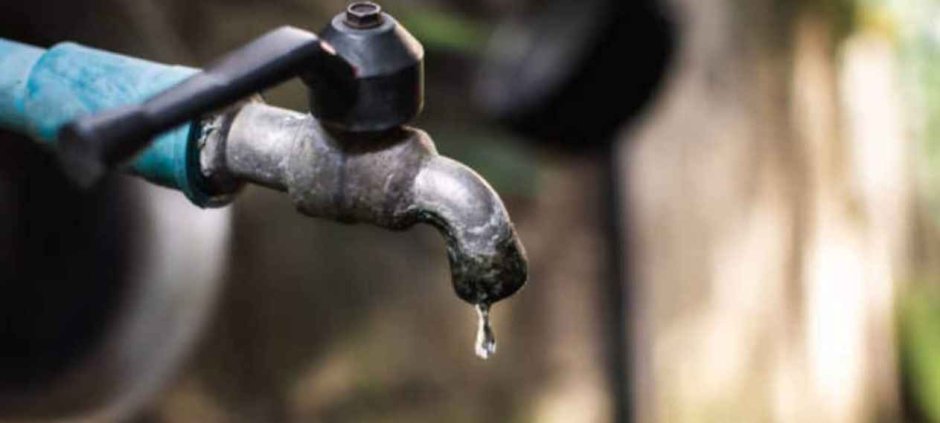
Several water filtration plants in Rawalpindi are reportedly supplying muddy and potentially unsafe drinking water. Residents have raised concerns over the worsening quality.
The affected facilities have reportedly gone without filter replacements for extended periods. Residents said repeated complaints have not resulted in effective action from authorities.
The issue has raised concerns about the safety of drinking water. Facilities meant to provide clean water could instead expose residents to waterborne diseases.
Several filtration plants in Rawalpindi have reportedly been affected. These include facilities in Union Council 46, Naya Mohalla, Sadiqabad, Dhoke Ilahi Bakhsh and Dhoke Hasu.
Residents said the water supplied from these plants contains soil and mud. They have urged authorities to address the issue and restore clean water supplies.
Operators at the filtration plants attributed the problem to insufficient funds. They said the available budget has not allowed timely replacement of the filters.
According to operators, the delayed maintenance has affected the quality of water. They said replacing old filters is necessary to improve the water supplied to residents.
The operators also pointed to declining groundwater levels as another major concern. They said soil is increasingly mixing with water from the tube-wells.
Several tube-wells were installed across the city before 2000. Sources said the Municipal Corporation, WASA and District Council installed many of these wells.
Groundwater levels reportedly remained relatively stable until 2000. However, sources said the water table has dropped significantly since then.
According to the sources, groundwater levels have fallen by more than 200 feet between 2001 and 2026. The decline has affected the performance of older tube-wells.
The falling water table has also affected water quality from these sources. Filtration plants connected to older wells are facing additional challenges.
Poor groundwater quality makes it harder for the facilities to provide safe drinking water. Delayed filter replacement has further worsened the situation.
Residents in several parts of Rawalpindi are now seeking immediate intervention. They want authorities to replace filters and improve regular maintenance.
The situation has also highlighted broader concerns about the city’s groundwater resources. Continued decline in groundwater levels could create further pressure on water supplies.
Regular maintenance of filtration plants is important for maintaining water quality. Authorities may also need to address the condition of older tube-wells.
Residents have continued to depend on these facilities for drinking water. They have called for practical measures to ensure the water remains safe.
The ongoing issue shows the combined impact of groundwater decline and poor maintenance. Both factors are affecting the quality of water supplied through filtration plants.
In other related news also read Rawalpindi Proposes Rs3 Billion Parking Plaza
Authorities have yet to announce a comprehensive solution to the reported problems. Residents continue to demand safe and reliable drinking water across Rawalpindi.