Punjab is introducing a digital On-Screen Marking (OSM) system to modernize its examination process. Under this system, students’ answer sheets will be scanned and checked electronically. The initiative aims to improve transparency and reduce errors during paper checking.
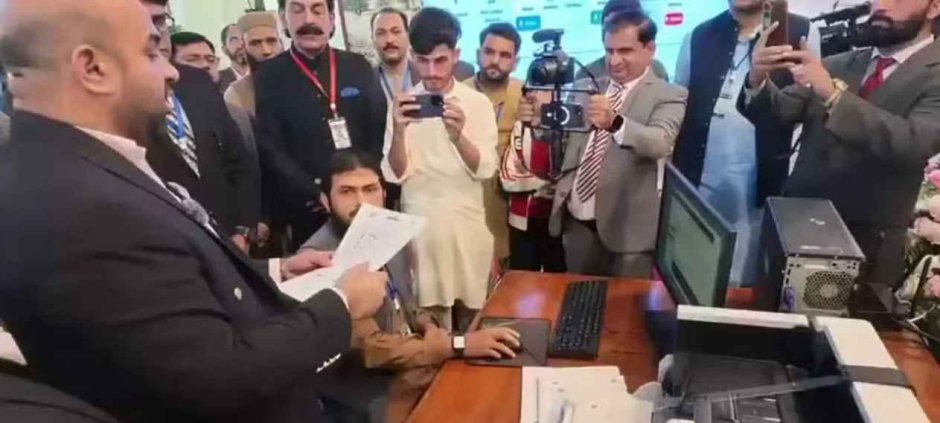
Provincial Education Minister Rana Sikandar Hayat announced the development. He also shared a video demonstrating how the new system works. The demonstration showed the process being used by the Board of Intermediate and Secondary Education (BISE) Bahawalpur.
The new system will allow examiners to check students’ answer sheets through a digital platform. Instead of manually handling physical copies, examiners will access scanned papers through an online dashboard.
How Punjab’s Digital Marking System Will Work
Under the new arrangement, students will continue writing their answers on traditional paper sheets. After examinations, these answer sheets will be scanned using high-speed scanning machines.
The scanned pages will then appear on a digital dashboard. Examiners can access the papers and evaluate students’ answers directly on their screens.
The system will also use facial recognition technology to verify examiners. Before starting the marking process, each examiner must confirm their identity through a facial recognition system.
This security feature will ensure that only registered examiners can access the answer sheets. The system will allow access when it detects one matching face.
However, access will automatically be locked if two faces appear before the camera simultaneously. This measure aims to prevent unauthorized access and maintain examination security.
The dashboard will also display marking progress in real time. Additionally, the platform includes an AI-assisted checking feature alongside the examiner’s evaluation.
Punjab Plans Wider Examination Reforms
The introduction of digital marking is part of broader examination reforms across Punjab. Earlier this month, chairpersons of the province’s nine educational boards discussed additional changes.
They decided to introduce e-sheets for four science subjects in examinations next year. The boards also finalized the subjects where on-screen marking will be implemented.
These changes will affect matriculation and intermediate examinations. However, students will not need to write their answers digitally.
Instead, they will continue using paper answer sheets. Examination authorities will scan these sheets and make them available for digital evaluation.
Students will also need to follow the prescribed instructions when filling out their answer sheets. Proper completion will help ensure accurate scanning and processing.
New System Aims to Improve Transparency
The digital marking system is expected to make the examination process more efficient. It will also help educational boards monitor checking activities more effectively.
Real-time progress tracking could improve the management of examination results. Facial recognition will add another layer of security to the evaluation process.
Meanwhile, AI-assisted checking will provide additional support during paper evaluation. Human examiners will remain involved in assessing students’ answers.
In other related news also read Air Pollution Reaches Dangerous Levels Across Punjab
Through these measures, Punjab aims to improve the accuracy, consistency, and transparency of board examinations. The initiative represents another step towards introducing technology into the province’s education system.