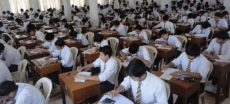
Pakistan’s medical education system is set to undergo closer scrutiny after a Senate subcommittee called on the Pakistan Medical and Dental Council (PMDC) to modernize its policies and align medical education with international standards. The committee expressed concerns over the current admission process, misleading public information, and the severe shortage of medical college seats, emphasizing the need for comprehensive reforms to ensure transparency, quality, and equal opportunities for aspiring doctors.
The recommendations came during a meeting of a subcommittee of the Senate Standing Committee on National Health Services, chaired by Senator Anusha Rahman. The meeting focused on reviewing the Medical and Dental Colleges Admission Test (MDCAT), the national admission policy, and various complaints raised by students and stakeholders regarding Pakistan’s medical education framework.
During the briefing, PMDC officials informed lawmakers that the council had introduced a revised MDCAT syllabus covering common topics taught in both FSc and A-Level programs. According to the officials, the updated syllabus significantly reduced complaints related to curriculum differences between students from different educational backgrounds.
Despite the improvement, the committee directed PMDC to provide detailed information about the preparation of its MDCAT question bank. Lawmakers also sought a comprehensive explanation of the consultation process used while designing examination questions, stressing that transparency is essential for maintaining public confidence in the country’s largest medical entrance examination.
The committee also criticized a newspaper advertisement issued regarding admissions to foreign medical universities. The advertisement incorrectly suggested that MDCAT was compulsory for all Pakistani students seeking admission to medical institutions abroad.
PMDC officials clarified that the requirement applies only to graduates of specific foreign medical universities rather than all institutions overseas. However, senators questioned why such misleading information had been published and why no action had been taken against those responsible.
The committee instructed PMDC to immediately issue a public clarification to prevent confusion among students and parents. Members observed that inaccurate advertisements could negatively impact thousands of students planning to pursue medical education abroad.
Lawmakers also questioned the council’s policy requiring students enrolling in foreign medical colleges to register with PMDC. Committee members argued that instead of imposing additional requirements on students, the regulator should focus on discouraging admissions to substandard foreign institutions while facilitating students who choose internationally recognized universities.
Another major issue discussed during the meeting was the growing mismatch between the number of qualified students and the availability of medical college seats across Pakistan.
The committee noted that more than 113,000 students qualified in the 2024 MDCAT, yet only around 22,300 seats were available in public and private medical colleges. Senators described the gap as alarming, saying thousands of capable students are unable to pursue medical education despite meeting the required academic standards.
Members stressed that the shortage of seats continues to place immense pressure on students, forcing many to either abandon their dream of becoming doctors or seek expensive education opportunities abroad.
The committee emphasized that Pakistan needs a long-term strategy to expand medical education capacity while maintaining academic quality. Lawmakers suggested that increasing the number of accredited institutions and strengthening existing medical colleges could help address the growing demand.
Senator Anusha Rahman reiterated that Pakistan’s medical education system must evolve in line with international best practices. She emphasized that reforms should prioritize merit, transparency, quality assurance, and student welfare to ensure the country produces competent healthcare professionals capable of meeting future healthcare challenges.
The committee directed PMDC to submit detailed feedback on its examination system, admission policies, and stakeholder consultation process in upcoming meetings. It also expects the council to implement corrective measures regarding misleading public information and continue working toward reforms that improve the credibility and effectiveness of Pakistan’s medical education system.
Also read: PMDC Announces MDCAT 2026 Schedule