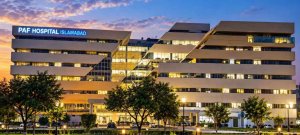
Public hospitals play a vital role in Pakistan’s healthcare system, providing medical treatment to thousands of people, particularly those who cannot afford expensive private healthcare. My recent visit to the Pakistan Institute of Medical Sciences (PIMS) in Islamabad highlighted both the challenges patients may encounter and the dedication of healthcare professionals working in public institutions.
The experience was a mixture of disappointment and appreciation. While an unexpected difficulty at the emergency entrance raised concerns about how hospital procedures are applied, the cooperation of doctors and other staff members left a positive impression.
Stopped at the Emergency Entrance
My brother and I visited PIMS after both of us suffered dog bites. We were wearing shorts and half-sleeved shirts when we arrived at the hospital’s emergency entrance.
However, a security guard stopped us and refused to let us enter because of our clothing. We had come to seek medical attention, so being stopped at the entrance was an unexpected and disappointing experience.
Hospitals may have dress codes, security procedures and other rules designed to maintain order. Nevertheless, such policies should be implemented with sensitivity and common sense, particularly when people arrive with injuries that require medical assessment.
In situations involving potential emergencies, patients should be directed promptly towards appropriate medical staff so their condition can be assessed. Administrative procedures should not create unnecessary barriers to accessing care.
Doctors and Staff Deserve Appreciation
Despite the difficulty at the entrance, the rest of our experience at PIMS was more reassuring.
Once we received assistance, the doctors and other healthcare professionals treated us well. Their cooperation, professional attitude and attention to our medical needs made a meaningful difference to our visit.
We received good medical care, and the conduct of the healthcare staff demonstrated the importance of having dedicated professionals serving patients in public hospitals.
It would be unfair to let one negative interaction overshadow the positive contributions of the people who helped us. Doctors, nurses and other healthcare workers often serve large numbers of patients under demanding circumstances. Their efforts deserve recognition and appreciation.
Our experience reinforced the fact that the quality of a hospital visit depends not only on its facilities and procedures but also on the people who interact with patients and provide care when it is needed most.
The Importance of Public Healthcare in Pakistan
The government and public healthcare institutions deserve recognition for maintaining facilities such as PIMS, which provide medical services to people from different economic backgrounds.
For many families, public hospitals are an essential source of treatment because private healthcare can be financially out of reach. These institutions help make medical services accessible to people who might otherwise struggle to afford consultations, emergency treatment and other essential care.
Maintaining public hospitals, supporting healthcare professionals and improving emergency services require continued attention and investment.
At the same time, acknowledging the importance of these institutions should not prevent patients from raising concerns about their experiences. Constructive feedback can help administrators identify weaknesses, improve procedures and strengthen public trust.
Recognising what works well and identifying what needs improvement should go hand in hand.
Emergency Procedures Need a Human Approach
The incident at the entrance highlights an area where hospital administration could consider improvements.
Security personnel are responsible for maintaining order and following hospital policies. However, they should also be trained to recognise situations in which someone may need urgent medical attention and know how to direct that person to the appropriate staff.
If a dress code is in place, it should be communicated clearly. Hospital management should also establish practical procedures for handling patients who arrive in urgent circumstances, ensuring that clothing-related concerns do not unnecessarily delay medical assessment.
This does not mean that hospitals should abandon all rules. Rather, it means that policies should be applied fairly and proportionately, with patient welfare remaining a central consideration.
Good governance is not simply about establishing regulations. It is also about ensuring that those regulations are implemented responsibly, consistently and with respect for the people they affect.
A Balanced View of PIMS
My intention in sharing this experience is not to criticise the entire institution or disregard the efforts of the government and healthcare workers. Instead, I want to acknowledge both the positive aspects of our visit and the difficulty we faced at the entrance.
The initial interaction was disappointing, but the cooperation of the doctors and other staff members helped create a more positive overall experience. Their conduct deserves appreciation, while the incident involving the security guard deserves consideration by hospital administration.
Personal experiences cannot represent every patient’s experience or provide a complete assessment of an entire institution. However, they can highlight practical issues that deserve attention and encourage discussions about how public services can improve.
Hospitals should be places where people feel they can seek help without facing unnecessary obstacles, particularly when they arrive with injuries or concerns requiring medical attention.
Conclusion: Compassion Must Accompany Rules
My visit to PIMS was ultimately a combination of frustration and gratitude. We encountered an unnecessary difficulty at the entrance, but we also met cooperative healthcare professionals and received good medical care.
Public hospitals need effective procedures, trained staff and proper facilities. Just as importantly, they need a culture in which patients are treated with dignity and compassion.
By appreciating the dedication of doctors and cooperative staff while addressing shortcomings in administrative procedures, PIMS and other public hospitals can continue improving their services and strengthening public confidence.
The objective should be straightforward: every patient should be treated respectfully and directed towards timely medical care, regardless of their circumstances.