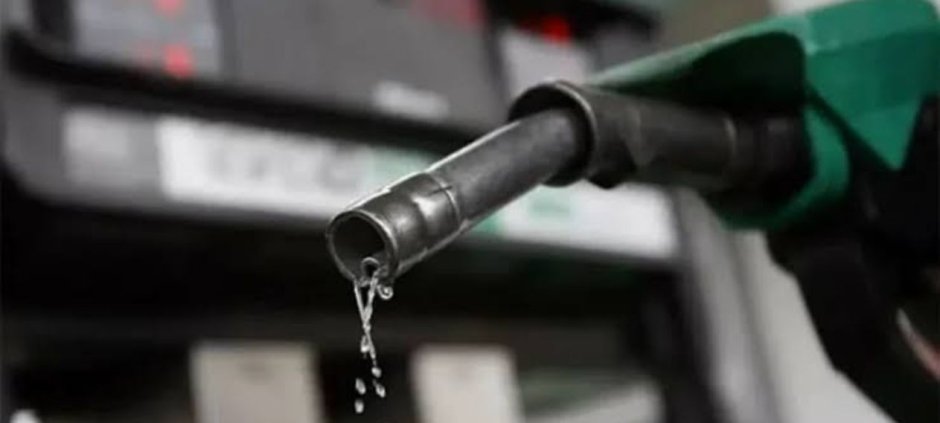
Pakistan’s petrol price fell by Rs3.19 per litre on October 28, 2026, providing some relief to motorists. However, high-speed diesel became more expensive, with its price increasing by Rs2.25 per litre. The revised prices were announced by the Petroleum Division on October 27 and took effect the following day.
According to the latest pricing calculations by the Oil and Gas Regulatory Authority (OGRA), petrol’s ex-depot price decreased from Rs379.25 to Rs376.06 per litre. Meanwhile, the price of high-speed diesel increased from Rs395.82 to Rs398.07 per litre.
The different price movements were mainly driven by changes in import costs, customs-duty calculations and exchange rate adjustments.
New Petrol and Diesel Prices in Pakistan
Under the latest revision, petrol became cheaper by Rs3.19 per litre, while high-speed diesel increased by Rs2.25 per litre.
The revised ex-depot prices are:
- Petrol: Rs376.06 per litre, down from Rs379.25.
- High-speed diesel: Rs398.07 per litre, up from Rs395.82.
These are ex-depot prices. The final price at individual filling stations may also be affected by secondary transportation costs.
Why Did Petrol Prices Fall Despite Higher Import Costs?
Petrol prices declined mainly because the customs-duty component decreased and a previous exchange rate adjustment was removed. These reductions outweighed the increase in petrol’s import cost.
OGRA’s calculations show that the cost of petrol at Karachi port rose by Rs3.33 per litre, increasing from Rs241.40 to Rs244.73. The seven-working-day average international petrol benchmark also increased by $1.80 per barrel to $120.21.
Despite these increases, the customs-duty component fell by Rs5.71 per litre, from Rs26.27 to Rs20.56. The previous exchange rate adjustment of Rs0.82 per litre was also reduced to zero.
Together, these changes helped bring down the final ex-depot price of petrol.
OGRA calculates the customs-duty component using Pakistan State Oil’s imported cargoes over the previous seven working days. Therefore, the reduction reflects the pricing calculation and does not necessarily mean the government has announced a formal change in the customs tariff.
Why Did Diesel Prices Increase?
High-speed diesel became more expensive because its import-related costs increased.
OGRA’s pricing calculations show that the seven-working-day average Dubai crude oil benchmark rose by $1.30 per barrel to $113.13.
The cost-and-freight component of diesel increased by Rs2.25 per litre to Rs274.64. Its customs-duty component remained unchanged at Rs15.68 per litre.
These changes pushed the ex-depot price of diesel up by Rs2.25 per litre to Rs398.07.
How Much Tax Is Included in Fuel Prices?
According to OGRA’s pricing sheets, both petrol and high-speed diesel carry a petroleum levy of Rs80 per litre and a climate support levy of Rs5 per litre. Sales tax is zero for both fuels under the stated pricing calculations.
These levies form part of the amount consumers pay through fuel prices and remain important components of the overall pricing structure.
What Do the New Prices Mean for Consumers?
The petrol price reduction offers limited relief to car and motorcycle owners, as well as other petrol users. However, the increase in diesel prices could add pressure to transport operators, freight businesses and other sectors that rely heavily on diesel.
Higher diesel costs can affect the expenses of moving goods across the country and may place additional pressure on businesses if those costs are passed on to consumers.
The latest revision also shows that petrol and diesel prices do not always move in the same direction. International fuel benchmarks, import expenses, customs-duty calculations and exchange rate adjustments can all influence the final price.
For motorists and businesses, the next fuel price revision will remain important as changes in global oil markets and domestic pricing components continue to affect fuel costs in Pakistan.