Solar Adoption Drives Sharp Drop in Pakistan’s Grid Electricity Demand
Pakistan’s rapid shift toward solar energy is creating growing challenges for the country’s traditional electricity generation model, with national grid demand falling by 8.66% year-on-year.
Official documents reviewed by ProPakistani show that several electricity distribution companies (DISCOs) recorded significant declines in power sales between April and June, with some companies experiencing drops of around 10% or more.
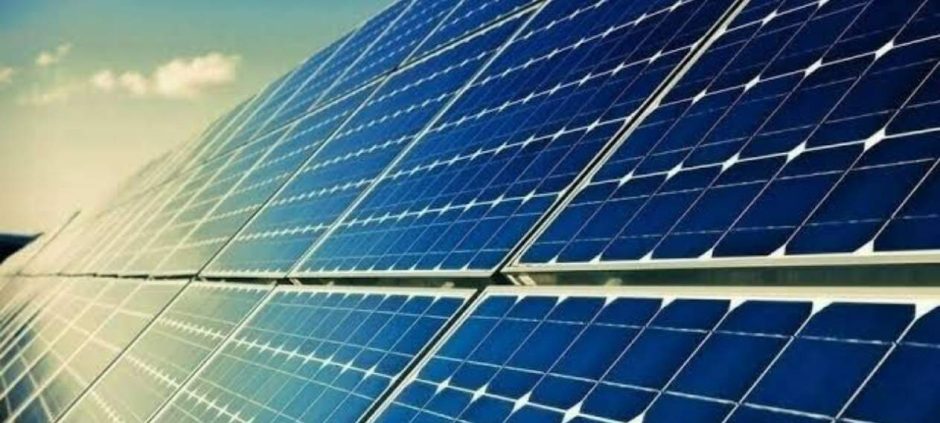
The growing adoption of rooftop solar systems by households and businesses has emerged as one of the major factors behind the decline in electricity consumption from the national grid.
Solar adoption reshapes electricity demand
As electricity prices remain a major concern for consumers, more households and commercial businesses are turning to solar systems to reduce their dependence on grid electricity.
The shift is particularly visible during daylight hours, when solar installations can meet a significant portion of consumers’ electricity requirements.
While the growing use of renewable energy can reduce pressure on consumers, it is also creating financial challenges for Pakistan’s existing power sector, which relies heavily on fixed generation costs and capacity payments.
When consumers purchase less electricity from the grid, these fixed costs are distributed across a smaller volume of electricity consumption. This can increase the capacity payment burden on consumers who continue to rely on grid power.
IESCO records significant decline
Islamabad Electric Supply Company (IESCO) recorded a notable decline in electricity sales during the April-June period.
IESCO’s overall electricity sales fell 10.77% year-on-year in April. The decline continued in May, when sales dropped 3.55%, followed by a 6.29% decrease in June.
The impact was particularly significant among domestic consumers.
Residential electricity sales declined by 19.69% in April compared with the same month last year. Sales then fell 7.92% in May and another 5.72% in June.
The figures indicate that households are increasingly reducing their reliance on conventional grid electricity, with solar power playing an important role in changing consumption patterns.
Commercial users also turn toward alternatives
Commercial consumers are also contributing to the decline in grid electricity demand.
IESCO reported a 6.85% year-on-year decline in commercial electricity sales in April. The decrease continued in May and June, with sales falling 3.80% and 1.85%, respectively.
Overall, IESCO recorded a significant reduction in electricity demand during the April-June quarter.
Demand declined by around 16% year-on-year in April, followed by an 8% decrease in May and a further 2% decline in June.
The figures highlight how quickly consumer electricity patterns are changing as businesses and households increasingly explore alternative sources of power.
Growing pressure on Pakistan’s power sector
The rapid expansion of solar energy presents both opportunities and challenges for Pakistan.
On one hand, increased solar adoption can help consumers lower electricity bills, reduce dependence on expensive conventional generation and support the use of cleaner energy.
On the other hand, the decline in grid consumption creates difficulties for a power sector carrying substantial fixed costs.
Pakistan has invested heavily in power generation capacity over the years. Capacity payments are made to power producers regardless of whether their full generation capacity is being utilized.
As electricity demand from the grid falls, the cost of maintaining this generation capacity is effectively spread across fewer units of electricity sold.
This creates additional pressure on electricity tariffs and raises questions about the sustainability of the existing power sector structure.
Solar trend likely to remain important
The continued expansion of rooftop solar is expected to remain an important factor shaping Pakistan’s electricity market.
The latest figures suggest that solar adoption is no longer limited to a small group of consumers. Increasing numbers of residential and commercial users are reducing their dependence on grid electricity.
For Pakistan’s power sector, the challenge will be to adjust its business model to reflect changing consumer behavior while ensuring that the national grid remains financially sustainable.
The growing solar trend could ultimately force policymakers and power-sector stakeholders to rethink capacity payments, electricity pricing, grid management and the country’s overall approach to distributed energy generation.
For consumers, however, the shift toward solar represents a growing move away from traditional grid dependence and toward greater control over their electricity supply.
Also read: Students Develop Solar-Powered Ambulance