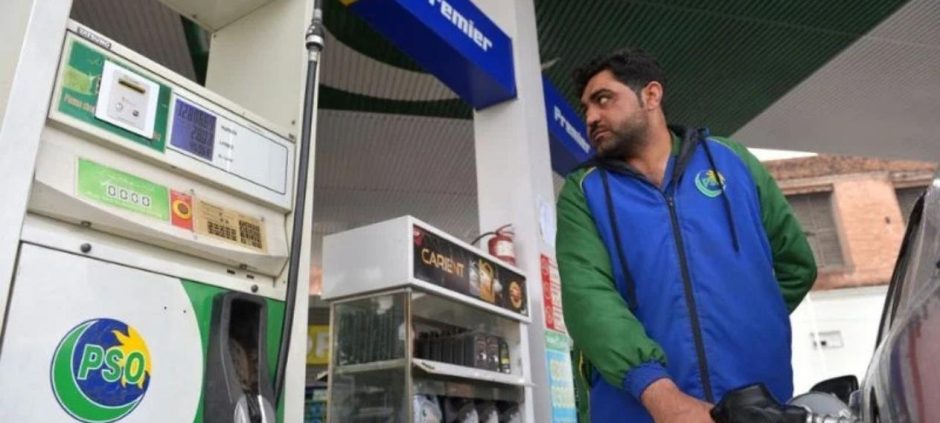
Pakistan is considering a major change to its petroleum pricing system. The government may gradually shift towards a market-based model for petrol prices.
The Petroleum Pricing Committee has recommended June 2027 as a possible target for petrol deregulation. However, the proposed date is not final. It still requires consideration and approval from the Prime Minister.
The recommendation was discussed during a meeting of the Petroleum Pricing Committee. Federal Petroleum Minister Ali Pervaiz Malik chaired the meeting. Officials reviewed the current mechanism used to determine petroleum prices.
The committee agreed that the pricing system should become more transparent and predictable. It also stressed the need for stronger competition in the petroleum sector.
Under the proposed roadmap, deregulation would take place in phases. The government would not immediately stop controlling retail petrol prices. Instead, the country would gradually move towards market-based pricing.
After deregulation, oil marketing companies could have greater control over petrol prices. Their rates would be influenced by international oil prices, supply and demand, operating costs and market conditions.
Oil marketing companies would also consider their own commercial strategies when setting prices. However, the proposed system would not leave consumers without regulatory protection.
Government authorities would continue monitoring the petroleum market. Rules would be introduced to prevent excessive profiteering and anti-competitive practices. The aim would be to protect consumers while allowing greater market competition.
The committee also discussed possible safeguards against sudden fuel price shocks. Officials agreed in principle to create a rules-based intervention mechanism for exceptional situations.
Under this mechanism, specific price shock triggers could be introduced. If diesel prices increase beyond predetermined levels, the government could take corrective measures.
This would provide a safety mechanism during extreme disruptions in the international or domestic fuel market. The mechanism could remain available even after petroleum pricing becomes market-based.
The committee also reviewed the Inland Freight Equalization Margin mechanism. The Oil and Gas Regulatory Authority (OGRA) assured officials that the FY2025-26 IFEM audit would be completed by the end of 2026.
OGRA was also directed to provide written recommendations about the performance and financial stability of oil marketing companies. The committee will also examine whether consolidation or mergers could strengthen the sector.
Another proposal involved creating a fund to stabilize petroleum prices. The committee reviewed fuel price stabilization models used in other countries.
A relevant sub-group was directed to further refine proposals for such a fund. The government will review these recommendations before deciding whether such a mechanism is needed.
The committee is expected to submit its final report after completing the review. The government will then decide the exact mechanism and implementation timeline.
The proposed deregulation is part of wider reforms in Pakistan’s petroleum sector. It also follows earlier steps towards a daily petroleum pricing mechanism.
If approved, the reforms could significantly change how petrol prices are determined in Pakistan. Consumers and oil companies will closely watch the government’s final decision on the proposed June 2027 timeline.