Pakistan is facing growing pressure from the United States to restrict land trade routes with Iran. The Trump administration is reportedly seeking to extend its blockade of Iranian ports to land borders.
The development comes after Pakistan and Iran ended their recent border restrictions. The decision followed a meeting between Field Marshal Asim Munir and senior Iranian officials in Tehran.
US Treasury Secretary Scott Bessent previously confirmed Washington’s efforts to restrict trade routes with Iran. Earlier this month, he said the United States was working with Pakistan and Türkiye to close these routes.
Speaking to Newsmax, Bessent described the effort as an isolation campaign against Tehran. His remarks highlighted Washington’s efforts to increase economic pressure on the Iranian government.
The situation has raised questions about Pakistan’s border policy and its trade relations with Iran. It has also created uncertainty for businesses that depend on cross-border supplies.
Pakistan Closes Two Border Crossings With Iran
On October 17, Pakistan suspended trade activities at the Taftan and Gabd-Rimdan crossings in Balochistan. Provincial authorities cited security concerns as the reason for the restrictions.
Iran, however, attributed the closure to technical problems on the Pakistani side. The two countries offered different explanations for the disruption.
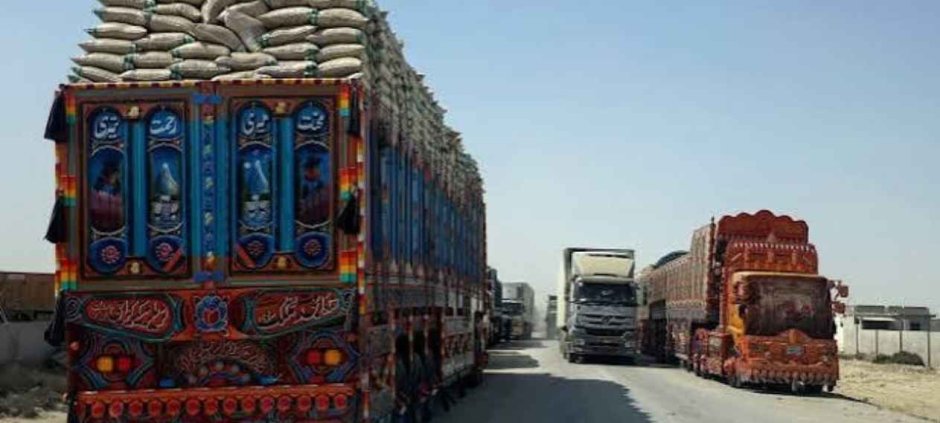
The suspension left hundreds of trucks stranded at the border. It also affected the movement of liquefied petroleum gas (LPG) into Pakistan.
Pakistan imports approximately 7,000 tonnes of LPG from Iran daily. More than 4,000 tonnes reportedly enter through the Gabd-Rimdan crossing alone.
The closure therefore disrupted an important supply route for the country’s energy needs. The restrictions also affected traders and transporters operating along the border.
According to an AFP report, the United States had asked countries bordering Iran to close their crossings. Iraq subsequently shut its Sheeb crossing with Iran on October 21.
Pakistan’s Foreign Office Responds to US Pressure
Pakistan’s Foreign Office was asked whether American pressure had influenced the border closures. Spokesperson Sajjad Haider Khan did not directly confirm a link between the two developments.
However, he stated that Pakistan would continue following all applicable sanctions regimes. His remarks indicated that the country would maintain its stated approach towards international sanctions.
The issue also prompted reactions from commentators on social media. Iranian academic Seyed Mohammad Marandi claimed on X that Pakistan was facing pressure from US President Donald Trump.
However, Pakistan’s Foreign Office did not explicitly confirm that Washington had directed the border closures. The reasons behind the restrictions therefore remain subject to differing accounts.
Gabd-Rimdan Crossing Reopens for Essential Supplies
Pakistan has since reopened the Gabd-Rimdan crossing for LPG tankers and essential goods. The move followed diplomatic engagement between Pakistani and Iranian officials.
The reopening provides some relief to traders and businesses affected by the restrictions. It also allows essential supplies to resume movement through the crossing.
However, the full restoration of normal trade remains uncertain. Authorities have not confirmed when all cross-border commercial activities will return to normal.
In other related news also read China Expresses Concern Over Pakistan-Afghanistan Tensions
The situation highlights the challenges Pakistan faces in balancing international sanctions, regional relations and domestic supply requirements. Further developments will determine how trade with Iran proceeds in the coming days.