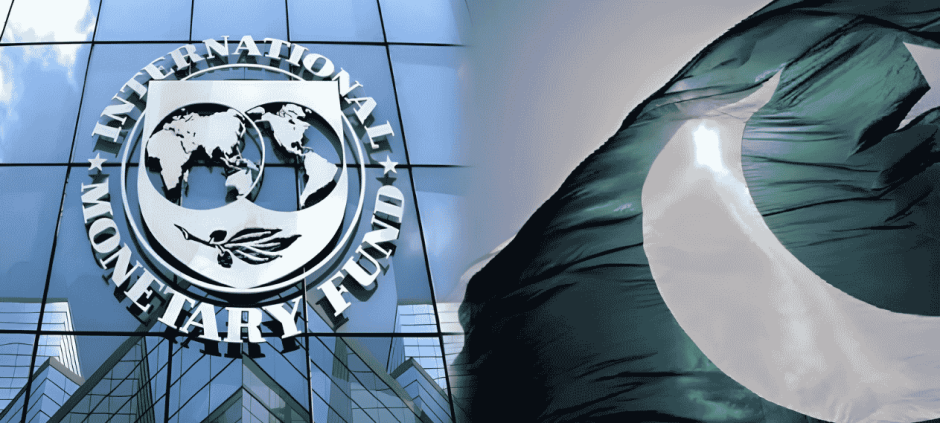
Pakistan’s Finance Ministry and the International Monetary Fund (IMF) have launched a two-day workshop in Islamabad to discuss reforms aimed at simplifying the country’s tax system, expanding the tax base and supporting sustainable economic growth.
The workshop, titled “Reforms for a Modern and Growth-Friendly Tax System in Pakistan,” is being held on October 20 and 21, 2026. It brings together senior government officials, representatives of the IMF and World Bank, international tax specialists, academics and private-sector leaders to explore ways to make taxation more efficient, transparent and supportive of investment.
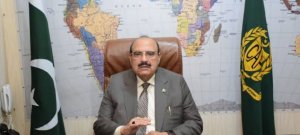
Finance Minister Muhammad Aurangzeb delivered the opening remarks alongside Jihad Azour, director of the IMF’s Middle East and Central Asia Department, and Rodrigo Valdés, director of the IMF’s Fiscal Affairs Department, according to a statement issued by the Finance Division.
The discussions focus on developing a simpler and more predictable tax framework that can improve revenue collection while reducing unnecessary complexity for individuals and businesses.
Pakistan and IMF Focus on Unified Sales Tax
One of the main topics is the possibility of introducing a more unified sales tax regime across federal and provincial governments.
Pakistan’s sales tax system involves different authorities and rules, creating coordination challenges for businesses operating across multiple jurisdictions. A more harmonized framework could help reduce compliance difficulties and improve consistency in tax administration.
Participants are discussing ways to strengthen coordination between the federal government and provincial administrations while considering the different responsibilities of each level of government.
The aim is to explore a system that is easier for businesses to understand and comply with, while supporting more effective revenue collection.
However, the workshop is focused on discussions and recommendations. The announcement does not mean that a unified sales tax system has been approved or that immediate changes to existing tax rules have been introduced.
Simpler Income Tax Structure Under Discussion
Another major area of discussion is the simplification of Pakistan’s income tax structure.
Participants are examining how a simpler and more neutral income tax system could encourage investment, support business expansion and make tax obligations easier to understand.
A complicated tax structure can increase compliance costs and create uncertainty for businesses making long-term investment decisions. Simplifying the system could help improve predictability for taxpayers and reduce administrative burdens.
The discussions also cover ways to broaden the tax base so that revenue collection does not depend disproportionately on a limited group of existing taxpayers.
Expanding the number of people and businesses complying with tax obligations remains an important consideration in efforts to strengthen Pakistan’s public finances.
Six Key Areas of Tax Reform
The two-day workshop features six sessions covering major aspects of Pakistan’s tax system.
These include the relationship between taxation and economic growth, modernization of the tax framework, a unified sales tax regime, a simpler income tax structure, tax administration and digitalization, and fiscal federalism alongside provincial tax revenues.
The sessions are intended to examine the challenges affecting tax collection and identify possible reforms that can improve efficiency across the system.
Discussions on fiscal federalism are particularly relevant because provincial governments play an important role in revenue generation and public service delivery. Better coordination between federal and provincial authorities could help improve tax administration and clarify responsibilities.
Digitalization and Taxpayer Trust Also on Agenda
Modernizing tax administration is another central theme of the workshop.
Participants are considering how digital systems, improved compliance procedures and more effective administration can make tax collection more efficient.
Digitalization can help authorities maintain better records, identify compliance gaps and reduce reliance on manual processes. It may also make it easier for taxpayers to submit information, meet their obligations and interact with tax authorities.
Building taxpayer trust is also important. A system that is transparent, predictable and easier to navigate can encourage voluntary compliance and strengthen confidence in public institutions.
The discussions aim to explore how administrative improvements can support revenue collection without creating unnecessary obstacles for businesses and individuals.
Government Seeks Broader and Fairer Tax Base
The initiative reflects the government’s stated objective of developing a broader and fairer tax system capable of mobilizing revenue while supporting investment and productivity.
Pakistan has faced longstanding challenges involving tax compliance, the size of the documented economy and the complexity of its tax structure. Reform discussions are therefore examining how the country can improve revenue generation while creating a more supportive environment for economic activity.
A broader tax base could help distribute the responsibility for financing public services more widely. At the same time, a more predictable framework could help businesses plan operations and investment with greater certainty.
The workshop brings together policymakers, international institutions and private-sector representatives to discuss possible approaches to these challenges.
Recommendations Expected at the End of Workshop
The two-day event is scheduled to conclude with a high-level panel aimed at consolidating the discussions, identifying priority actions and establishing a framework for continued engagement among stakeholders.
The outcome is expected to help identify areas where further policy work and coordination are required.
The Finance Division has emphasized the need for a more efficient, simpler and growth-friendly tax framework covering both federal and provincial taxation.
Any future changes will depend on the recommendations developed through the discussions and subsequent decisions by the relevant authorities.
For now, the workshop represents a consultation process between Pakistan and international partners on possible changes to the country’s tax system. Its central themes include harmonizing sales tax arrangements, simplifying income taxes, modernizing administration and improving coordination between different levels of government.
The discussions could help shape future tax policy, although no specific new tax rates or immediate implementation measures have been announced in the workshop statement.
Also read: IMF Wants PKR Devaluation, Claims Former Finance Adviser