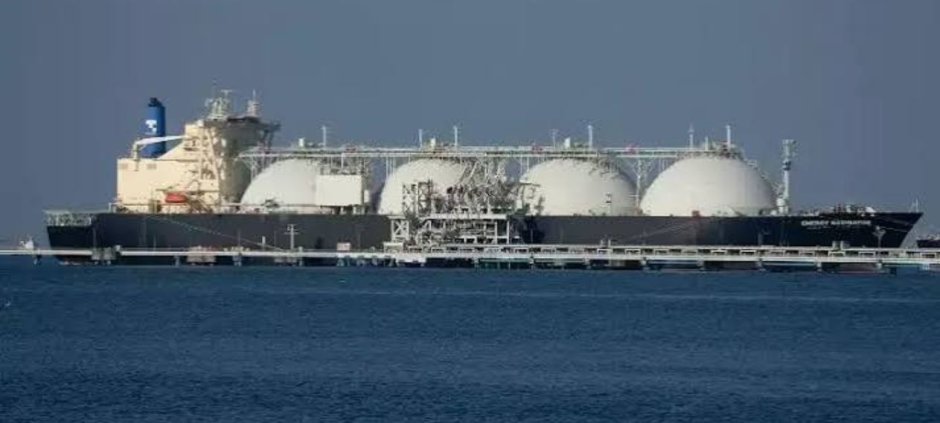
The Oil and Gas Regulatory Authority (OGRA) has increased regasified liquefied natural gas (RLNG) prices by up to 15.3% for October, raising the cost of gas supplied through Pakistan’s two major Sui gas companies.
The latest increase applies to both transmission and distribution stages for Sui Northern Gas Pipelines Limited (SNGPL) and Sui Southern Gas Company Limited (SSGCL).
The increase comes after OGRA reduced RLNG prices by around 20% in September. Higher international crude oil prices and an increase in imported LNG costs have contributed to the latest adjustment.
The change could also affect electricity generation costs in the coming months because power plants using RLNG may face higher fuel expenses.
SNGPL RLNG Prices Increase by 14%
According to OGRA’s notification, the RLNG transmission price for SNGPL has increased by 13.9%.
The transmission-stage rate has risen from $13.99 per million British thermal units (mmBtu) in September to $15.94 per mmBtu in October.
At the distribution stage, the price has increased by 14%, moving from $15.196 to $17.33 per mmBtu.
SNGPL supplies natural gas to consumers in Punjab and Khyber Pakhtunkhwa. Its distribution system losses were reported at nearly 9%, compared with 7.47% in October last year.
The increase in RLNG rates adds to the cost of supplying imported gas through the company’s distribution network.
SSGCL Rates Rise by More Than 15%
SSGCL has also received a significant increase in RLNG prices.
OGRA raised the company’s transmission-stage rate by 15.25%, taking it from $12.611 per mmBtu in September to $14.53 per mmBtu in October.
The distribution-stage price increased by 15.27%, rising from $14.22 to $16.396 per mmBtu.
SSGCL supplies gas to consumers in Sindh and Balochistan.
The company’s distribution system losses currently stand at 12.55%, compared with approximately 10.6% last year.
These losses are among the additional costs associated with delivering imported gas to consumers.
Imported LNG Prices Also Increase
The latest adjustment follows an increase in the average price of imported LNG.
The average delivered ex-ship (DES) price of LNG from two cargoes reached $10.75 per mmBtu in October. This was higher than the September average of $10.06 per mmBtu.
However, the October price remained below the rates recorded in previous months. The average DES price stood at $12.12 per mmBtu in August and $18.96 per mmBtu in July.
The higher October import price contributed to the increase in RLNG rates charged by the two gas companies.
Why Are RLNG Distribution Prices Higher Than Import Costs?
The difference between imported LNG prices and the rates charged at the distribution stage reflects additional costs involved in bringing gas to consumers.
In October, the average LNG import price stood at $10.75 per mmBtu. However, the distribution-stage price reached $17.33 for SNGPL and $16.396 for SSGCL.
This means the distribution rates were $6.58 and $5.65 higher than the average import price, respectively.
These additional costs include charges and margins collected by public-sector entities involved in LNG imports and supply.
Pakistan State Oil (PSO), Pakistan LNG Limited (PLL), and port authorities collect charges related to retainage and other services. These charges amount to 3.77% of the delivered ex-ship price.
Distribution system losses also add to the overall cost. The reported losses stand at 8.97% for SNGPL and 12.55% for SSGCL.
Higher RLNG Costs Could Affect Electricity Generation
The increase in imported gas prices could also affect electricity generation costs.
RLNG-based power generation cost around Rs40 per unit in September, when the average LNG import price was $10.06 per mmBtu.
The import price increased to $10.75 per mmBtu in October. This could put additional pressure on fuel costs for power generation in December.
However, the final impact on electricity costs will depend on fuel prices, power generation requirements, and other factors.
The latest OGRA notification highlights the changing cost of imported gas in Pakistan. Consumers and businesses will be watching future price adjustments to see whether RLNG costs rise further or move lower in the coming months.
Also read: Rawalpindi Gas Shutdown: Areas and Timings