The death toll from catastrophic floods and mudslides in Nepal has risen to 903, while 4,247 people remain unaccounted for, as rescue and recovery operations entered their sixth day.
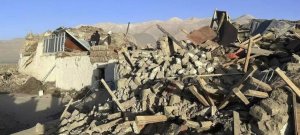
The disaster has devastated communities along the Nepal-Tibet border, with powerful floodwaters sweeping through towns and villages carrying ice, rocks, mud and large amounts of debris. The floodwaters later crossed into China, with victims and debris reportedly carried hundreds of kilometres downstream.
According to the National Disaster Risk Reduction and Management Authority (NDRRMA), 903 bodies and human remains had been recovered across several flood-affected districts as of its 9am Monday search, rescue and relief update.
Chitwan Records Highest Number of Deaths
Chitwan has recorded the highest number of recoveries, with 272 bodies found so far.
Nawalparasi East follows with 207 deaths, while Nawalparasi West has reported 151 recoveries. Nuwakot has recorded 95 deaths, while 62 bodies were recovered in Gorkha.
Dhading has reported 55 deaths, followed by Tanahun with 37 and Rasuwa with 24.
The figures continue to change as rescue teams recover victims from locations far downstream. The force of the floodwaters carried people and debris along river channels, making the search and recovery operation particularly difficult.
The latest figures represent a sharp increase from the 788 deaths reported by Sunday night, highlighting the scale of the catastrophe and the continuing challenges faced by rescue teams.
Chinese state media has separately reported 16 deaths in Tibet following the disaster. If confirmed alongside Nepal’s latest figures, the combined death toll in Nepal and China has reached at least 919.
More Than 4,200 People Still Missing
Authorities are also struggling to determine the whereabouts of thousands of people affected by the floods.
The latest NDRRMA figures put the number of missing people in Nepal at 4,247. Earlier on Monday, the disaster authority had reported 3,655 missing Nepali citizens, while a later 9am breakdown showed particularly high numbers in Nuwakot and Rasuwa.
Nuwakot accounted for 1,558 people listed as unaccounted for, while Rasuwa reported another 865 missing people.
The Nuwakot figure had previously stood at 1,158 and was only 115 on Sunday. The rapid changes underline the difficulty authorities face in collecting and verifying information from communities that have been heavily affected by the floods.
The missing include 933 people associated with hydropower projects, 592 foreign nationals and 127 Nepalis who were accompanying foreign tourists.
Disaster management records also list missing people in several other locations and facilities, including Makawanpur, Langtang National Park, immigration and quarantine offices and a customs office.
Security Personnel Among Those Missing
Government records indicate that at least 83 security personnel are also unaccounted for.
The missing personnel include 45 members of the Nepali Army, 25 Nepal Police personnel and 13 members of the Armed Police Force.
Earlier government figures had provided different numbers for missing police, armed police, customs and immigration officials as authorities continued collecting information from multiple affected areas.
The discrepancies in reported figures reflect the ongoing process of reconciling information from local communities, government offices and rescue teams.
Hundreds Feared Trapped in Hydropower Tunnels
Rescue operations have increasingly focused on hydropower projects where hundreds of people are feared to be trapped inside tunnels blocked by mud, rocks and flood debris.
The NDRRMA has reported 933 people associated with hydropower projects as missing. Rescue teams are concentrating on around half a dozen tunnel locations, including the Trishuli-3A project.
The tunnels have been obstructed by enormous quantities of debris carried by the floods, creating dangerous and difficult conditions for rescuers.
Nepali Army spokesperson Raja Ram Basnet said the amount of material deposited inside and around the tunnels was making the rescue effort extremely challenging.
“Our main focus is on opening the tunnels,” Basnet told Reuters.
Rescue Teams Work Through the Night
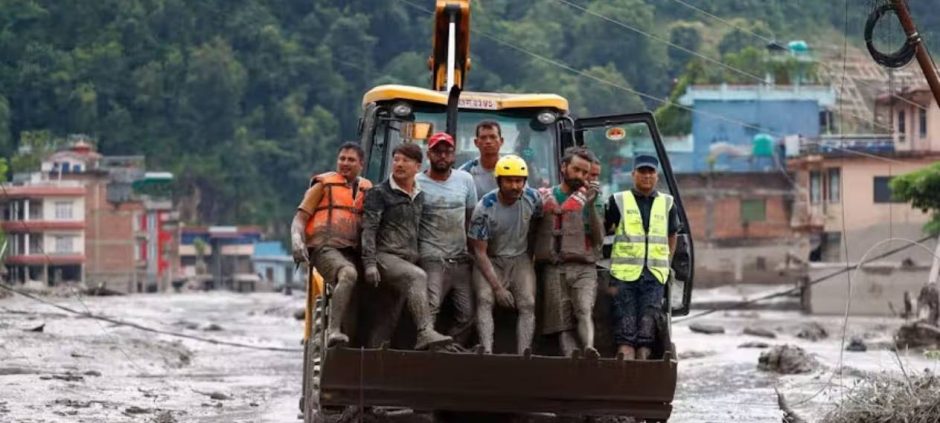
Rescue crews are using heavy earth-moving machinery to clear mud and rocks from blocked areas.
Operations have continued through the night as authorities attempt to create access points into the tunnels and other locations where people may be trapped.
Soldiers have also been using torchlights while searching for possible routes into the blocked structures.
The continuing recovery of bodies downstream, combined with the large number of missing people and blocked hydropower tunnels, means authorities still face a major humanitarian and rescue challenge.
As search operations enter their sixth day, emergency teams continue working across affected districts to recover victims, locate missing people and clear debris from areas cut off by the catastrophic floods and mudslides.
Also read: Nepal Earthquake Rescue Operations Halted After Efforts