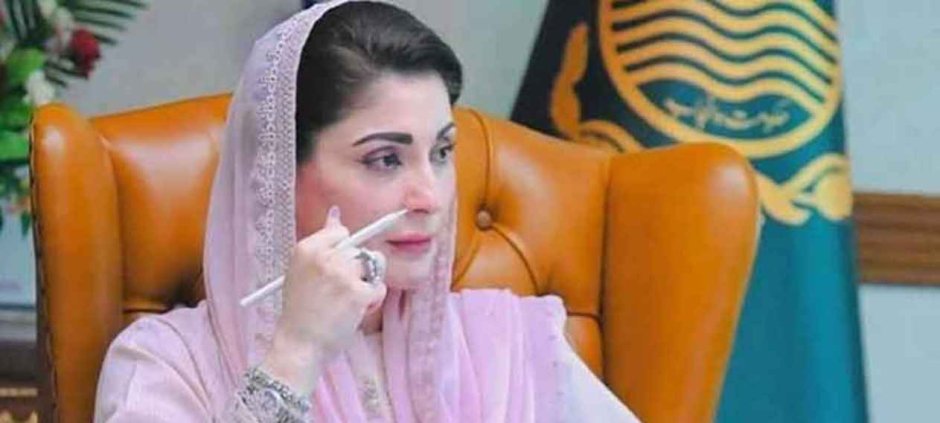
Punjab Chief Minister Maryam Nawaz Sharif has approved new stroke centers across every division. The move is part of a wider expansion of emergency stroke care.
Maryam Nawaz Sharif chaired a meeting in Lahore to review progress under the Chief Minister’s Stroke Program. Officials presented updates on the province’s existing treatment facilities.
The meeting was informed that 40 Primary Stroke Centers are currently operational across Punjab. Another 17 centers are expected to become functional by December.
According to officials, the program has helped 336 stroke patients avoid permanent disability. These patients received treatment after reaching designated centers in time.
The operational centers have trained doctors and medical staff. They also have access to medicines used for emergency stroke treatment.
The centers currently hold 710 Tenecteplase, also known as TNK, injections. The medicine is used in certain cases of acute ischemic stroke.
The provincial government is also planning advanced treatment facilities. Neuro-angiography suites are planned at four major hospitals this year.
These facilities will be established at Teaching Hospital Rawalpindi. Allied Hospital Faisalabad will also receive a neuro-angiography suite.
Nishtar-II Multan and Teaching Hospital Sargodha are also included. The facilities are intended to expand access to advanced stroke treatment.
Comprehensive Stroke Centers are already operating at two major institutions. These include the Punjab Institute of Neurosciences in Lahore.
The Rawalpindi Institute of Cardiology also has a Comprehensive Stroke Center. The government is continuing to expand the network across the province.
Several Primary Stroke Centers are already working in Lahore. These include Services Hospital, Mayo Hospital, and Ganga Ram Hospital.
Jinnah Hospital, General Hospital, and Children’s Hospital are also included. Shahdara Teaching Hospital has also been added to the network.
Stroke treatment injections are available at several hospitals outside Lahore. These include facilities in Multan, Sialkot, Rahim Yar Khan, and Rawalpindi.
Allied Hospital Faisalabad and Victoria Hospital Bahawalpur also provide access. Allama Iqbal Hospital in Dera Ghazi Khan is another facility.
Primary Stroke Centers are also operating at several District Headquarters hospitals. These include Sheikhupura, Mandi Bahauddin, Kasur, Khanewal, Vehari, and Multan.
Other DHQ hospitals have access to stroke-treatment injections. These include facilities in Bhakkar, Layyah, Gujranwala, Narowal, and Jhang.
Hospitals in Jhelum, Toba Tek Singh, Sahiwal, and Gujrat are also included. This network is intended to improve access to timely emergency treatment.
Maryam Nawaz Sharif has previously directed authorities to expand stroke management services. The provincial government has also planned specialist training and telemedicine support.
Earlier plans included stroke management centers at district hospitals across Punjab. The government also announced training for doctors, nurses, and rescue personnel.
The latest expansion continues the province’s broader stroke-care program. Officials are focusing on faster diagnosis and timely treatment.
The government is also establishing stroke facilities at children’s hospitals. These include Children’s Hospitals in Multan and Faisalabad.
Other planned and operational facilities include Nishtar-II and Allied Hospital-II Faisalabad. Sadiq Abbasi Hospital Bahawalpur and Teaching Hospital Sargodha are also included.
The expansion aims to provide stroke treatment through a wider hospital network. It also seeks to reduce delays in accessing specialized emergency care.
In other related news also read Maryam Nawaz, Portuguese Ambassador Discuss Bilateral Cooperation
The latest decision will add further facilities to Punjab’s existing stroke treatment network. Implementation will depend on the planned rollout and operational readiness of each center.