Khyber Pakhtunkhwa is facing a serious shortage of doctors, hospital beds, and healthcare facilities. The province has only 8,024 doctors for a population exceeding 40 million. This leaves thousands of residents struggling to access adequate medical services.
According to the latest figures, the province has approximately one doctor for every 5,000 to 6,000 people. This ratio highlights the growing pressure on the public healthcare system. More than 200 government health facilities across Khyber Pakhtunkhwa are also non-functional.
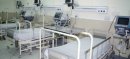
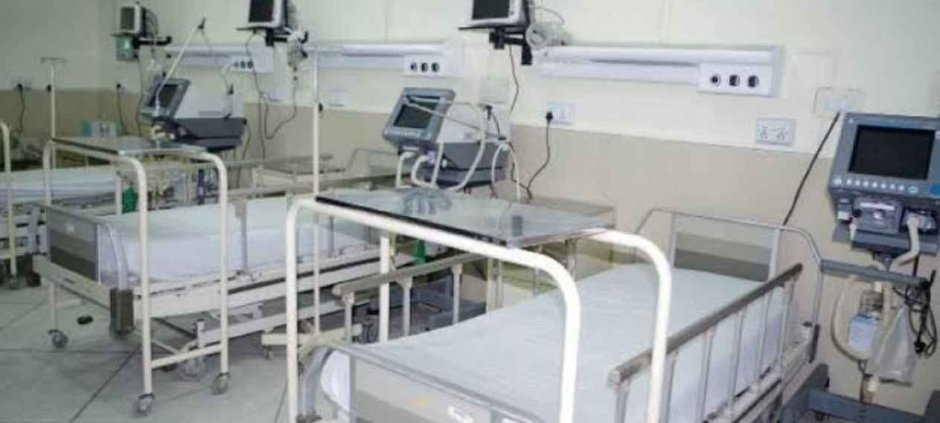
The shortage of hospital beds presents another major challenge. Public hospitals across the province currently have 18,432 beds. However, the estimated requirement stands at approximately 64,000 beds.
This creates a shortage of more than 45,000 beds across the province. Existing hospitals have less than one-third of the capacity required to serve the population.
Doctor Shortage Far Below International Standards
The shortage becomes more concerning when compared with international healthcare standards. The World Health Organization recommends one doctor for every 1,000 people.
Based on this benchmark, Khyber Pakhtunkhwa would require approximately 40,000 doctors. However, the province currently has only 8,024 medical professionals.
This means the province needs nearly five times its existing number of doctors. The current shortage raises concerns about healthcare access, patient treatment, and hospital services.
The situation also places additional pressure on existing medical staff. Doctors working in public hospitals must serve large numbers of patients. Meanwhile, non-functional healthcare facilities further limit access to medical treatment.
Government Plans Changes to Healthcare System
During a recent briefing, KP Health Adviser Lt. Gen. (R) Nigar Johar shared details of the government’s plans. She said the provincial government had decided to amend the Medical Teaching Institutions (MTI) Act.
The government also plans to conduct audits of hospitals. These steps aim to review hospital operations and address existing problems within the healthcare system.
Johar also clarified the government’s position on the Sehat Card program. She said the initiative would not be discontinued. Instead, the government plans to identify its weaknesses and introduce necessary improvements.
The provincial government has also decided to conduct a financial audit of the Sehat Card program. This review is expected to help assess its financial management and performance.
New Hospitals and Healthcare Challenges
Earlier, the provincial government directed authorities to accelerate work on new hospitals. The initiative aims to improve healthcare infrastructure and increase treatment capacity.
However, the latest figures highlight the scale of the challenges facing the province. The shortage of doctors, hospital beds, and functional facilities remains significant.
Addressing these problems will require improvements in healthcare infrastructure and hospital management. Increasing the number of medical professionals will also be important.
In other related news also read preparation for KP CM’s Sindh visit
The government’s planned reforms and hospital audits could help identify major weaknesses. However, effective implementation will be essential to improve public healthcare services across Khyber Pakhtunkhwa.