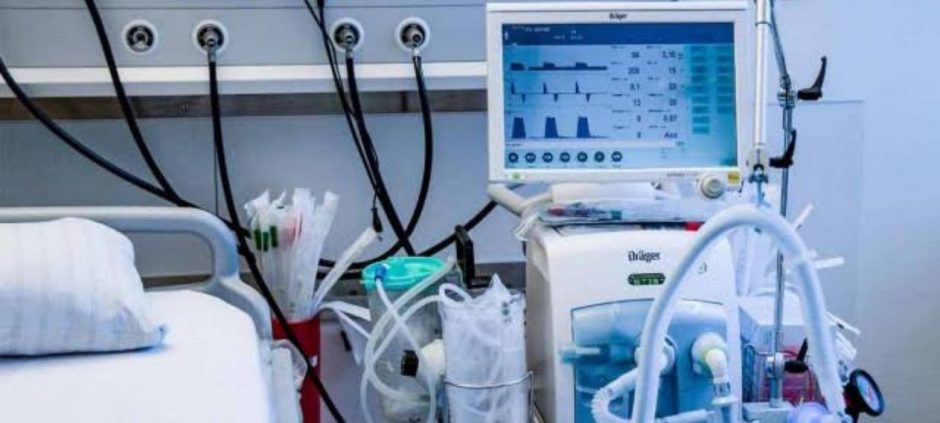
Public hospitals in Islamabad are facing a critical shortage of ventilators, raising concerns about the availability of life-saving intensive care services as major healthcare facilities struggle to accommodate a growing number of critically ill patients.
According to hospital officials, nearly all ventilators at the Pakistan Institute of Medical Sciences (PIMS) and the Federal Government Polyclinic Hospital are currently occupied, leaving doctors with limited options for patients requiring emergency respiratory support.
The shortage has become a significant challenge for healthcare providers, particularly as both hospitals serve not only residents of Islamabad but also patients referred from across Pakistan. The increasing demand for intensive care has placed immense pressure on already stretched medical resources.
PIMS Executive Director Dr. Rana Imran Sikander said the hospital has more than 90 ventilators distributed across its various intensive care units (ICUs). However, he revealed that almost every machine remains in continuous use due to the large number of critically ill patients.
According to Dr. Sikander, many patients require ventilator support for extended periods, with some remaining on the machines for nearly 20 days. This prolonged occupancy significantly limits the availability of ICU beds and ventilators for newly admitted emergency cases.
Despite the shortage, Dr. Sikander said PIMS continues to accept critically ill patients whenever possible. In situations where ICU beds are unavailable, patients are often managed in emergency wards until space becomes available, although this places additional strain on hospital staff and resources.
He also highlighted the financial challenges facing the hospital, noting that maintaining intensive care units requires substantial funding. In addition to purchasing ventilators, hospitals also need trained doctors, nurses, and technicians capable of operating the sophisticated equipment around the clock.
Similar concerns have been raised at the Federal Government Polyclinic Hospital.
Hospital spokesperson Dr. Abdul Jabbar Bhutto said the facility currently has 35 ventilators, but nearly all remain occupied most of the time. He emphasized that increasing the number of ventilators alone would not solve the problem unless hospitals also recruit and train specialized medical staff to operate them safely and effectively.
Medical experts say ventilator management requires highly skilled healthcare professionals, including intensive care specialists, respiratory therapists, and specially trained nursing staff. Without adequate personnel, simply installing additional machines would not significantly improve patient care.
The shortage has also forced many families to rely on public hospitals because intensive care treatment in private healthcare facilities is beyond the financial reach of most Pakistanis.
Doctors estimate that treatment involving ventilator support at private hospitals can cost as much as Rs. 300,000 per day for a single patient. These high costs have significantly increased the burden on government hospitals, where treatment is either free or heavily subsidized.
Hospital officials acknowledged that waiting lists for ventilators have become a routine challenge, particularly during periods of increased patient admissions. Families often face anxious waits as doctors attempt to prioritize critically ill patients based on the severity of their conditions and the availability of equipment.
Public concern over the shortage intensified following the reported death of journalist Abid Raza Kazmi, whose family alleged that he was unable to receive timely ventilator support at PIMS because no machine was available.
The incident has renewed calls for the government to invest in expanding critical care capacity at public hospitals, including increasing the number of ICU beds, ventilators, and trained healthcare professionals.
Healthcare experts warn that Islamabad’s growing population, combined with the steady influx of patients from other regions, has substantially increased demand for advanced medical services. They argue that long-term investment in critical care infrastructure is essential to prevent similar situations in the future and ensure timely treatment for patients facing life-threatening medical emergencies.
Also read: KP Hospitals Struggle With Critical ICU Bed Shortage