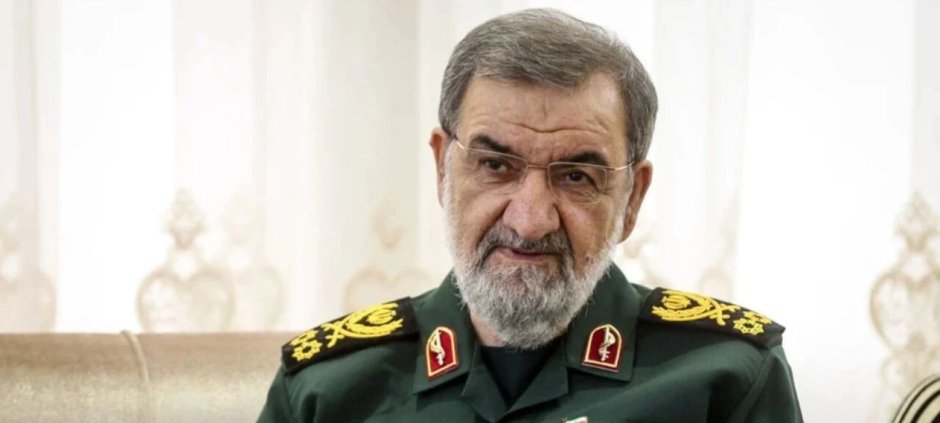
Iran’s Secretary of the Supreme National Security Council, Major General Mohsen Rezaei, has warned European countries that they will have to face the financial consequences of the ongoing war involving Iran.
In a post on X late Friday, Rezaei accused European states of applying double standards by supporting Israel’s actions while expressing concern over the economic costs of the conflict.
He criticised European governments for backing Israel and then complaining about the financial impact of the war.
“Just yesterday, Europe took pride in the dirty work of the Zionist regime. Today, it’s whining about billions the war with Iran is costing it,” Rezaei wrote.
He further warned that countries supporting military action should also be prepared to face its consequences.
“When you cheered on war crimes, did you think the fallout wouldn’t hit you, too? War and terror come at a price. Now, it’s your turn to pay,” he added.
Rezaei’s comments reflect growing tensions between Tehran and European countries as the conflict continues to affect diplomatic relations and the wider international economy.
Trump Claims Iran Wants to Resume Negotiations
Rezaei’s warning came as diplomatic efforts continued to reduce tensions and bring Iran and the United States back to negotiations.
US President Donald Trump said on Friday that Iran wanted to restart talks with Washington. Speaking to reporters at the White House, he claimed that Tehran was repeatedly seeking discussions with the United States.
“They want to talk. They keep talking,” Trump said.
Trump also claimed that Iran was facing serious financial difficulties because of the conflict. He alleged that the country was struggling to pay its security forces, including soldiers and police officers.
Describing the situation, Trump said Iran was in significant trouble.
He also called the conflict different from a typical war. Trump claimed that the United States was spending relatively little money on its military campaign.
The US president defended the spending, saying the campaign was intended to prevent Iran from developing nuclear weapons.
He further claimed that American actions in Venezuela had more than covered the cost of the military campaign against Iran. However, these statements were claims made by Trump.
Qatar Leads Efforts to Restart US-Iran Talks
Meanwhile, Qatar is continuing diplomatic efforts to bring Washington and Tehran back to direct negotiations.
Qatari mediators held discussions in Tehran for more than 12 hours on Friday. The talks focused on reaching an agreement that could allow direct negotiations between Iran and the United States to resume.
According to diplomatic sources, discussions were expected to continue in Doha on Saturday.
A diplomatic source said Qatar remained in regular contact with the White House throughout the negotiations. The source described the progress as positive but confirmed that discussions were still ongoing.
The mediators are working to establish reciprocal steps that could help both countries return to the negotiating table.
The proposed discussions are expected to cover Iran’s nuclear programme and other important issues between Washington and Tehran.
Differences Remain Between Washington and Tehran
Despite diplomatic activity, major differences remain between the two sides.
Iran and the United States have yet to agree on the conditions required to restart direct negotiations. The mediators are attempting to find common ground and establish steps that both countries would be willing to accept.
Qatar’s involvement highlights growing international efforts to prevent further escalation and create a diplomatic path forward.
Rezaei’s warning to European countries, Trump’s comments about Iran’s financial position, and Qatar’s mediation come at a time of continued uncertainty.
Whether these diplomatic efforts will lead to a new round of negotiations remains unclear. For now, discussions are continuing as the international community watches for signs of progress.
Also read: Trump Says US Could Resume Strikes on Iran