Saudi authorities have reported that drones launched from Iraq targeted the East-West oil pipeline, forcing the temporary closure of a key route used by the kingdom to transport oil while the Strait of Hormuz remains disrupted.
The Saudi Foreign Ministry condemned what it described as attacks on the East-West pipeline in the Riyadh and Medina regions. According to Saudi officials, several drones coming from Iraq caused damage to the pipeline and resulted in injuries.
An energy ministry official said the pipeline was temporarily stopped as a precaution following the attacks. Authorities are assessing the damage while taking measures to protect the infrastructure.
Saudi Arabia has increased its reliance on the East-West pipeline since the start of the Middle East conflict. The pipeline connects the Abqaiq area near the Gulf with Yanbu on the Red Sea, allowing Saudi Arabia to transport crude oil toward the Red Sea without relying entirely on the Strait of Hormuz.
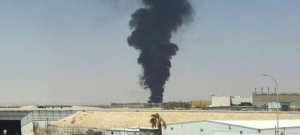
Satellite imagery taken on Thursday reportedly showed black smoke rising near Medina along the general route of the pipeline. The images added to reports of an incident affecting the strategically important oil transportation network.
Iraqi authorities also acknowledged that the attack originated from Iraqi territory. The office of Iraqi Prime Minister Ali al-Zaidi said the government condemned the attack and confirmed that the commander responsible for the southern province of Maysan had been dismissed.
The Iraqi government said it rejected attacks launched from its territory against Saudi Arabia and described the targeting of the kingdom as unacceptable. The development has placed additional pressure on Iraq as regional tensions continue to rise.
Saudi Arabia said it had decided not to respond immediately after a request from the Iraqi prime minister. Riyadh said it would support efforts by the Iraqi government to prevent attacks launched from Iraqi territory against Saudi Arabia and neighbouring countries.
However, Saudi authorities warned that the kingdom reserves the right to take necessary measures to protect its sovereignty, security, infrastructure and citizens.
The reported attack has also drawn condemnation from several Arab countries. Bahrain, Jordan and Qatar condemned the targeting of the Saudi pipeline, while the Gulf Cooperation Council described the incident as a dangerous escalation and a threat to Saudi security.
The latest incident comes as energy markets remain under pressure. Oil prices have crossed $100 a barrel this week amid concerns over disruptions to major energy routes. Rising fuel costs are also creating economic and political challenges in several countries.
The situation has also increased concerns over the security of maritime routes in the Red Sea. Yemen’s Iran-backed Houthi movement previously announced a maritime blockade against Saudi Arabia and has targeted Saudi oil tankers in the Red Sea.
The Houthis have also claimed advances along Yemen’s Red Sea coast and control over islands near the Bab el-Mandeb Strait. The strategic waterway connects the Red Sea with the Gulf of Aden and is an important route for international trade between Europe and Asia.
Following their reported advances, the Houthis claimed that navigation through Bab el-Mandeb remained safe for vessels other than those linked to Saudi Arabia.
The developments around the East-West pipeline, Strait of Hormuz and Bab el-Mandeb have raised fresh concerns about global energy supplies and shipping. Any prolonged disruption to these routes could put further pressure on oil prices, transportation costs and international trade.
Also read: Punjab Launches Drones for Flood Warnings