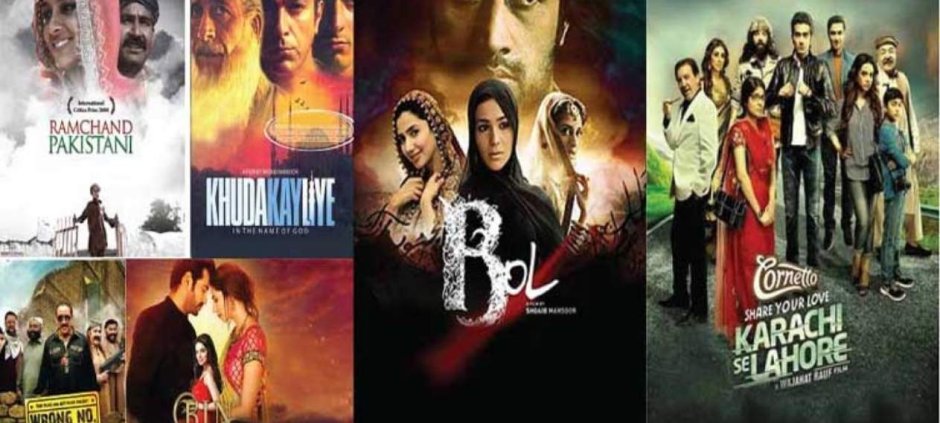
Pakistan’s film industry needs stronger scripts, fresh talent and improved production standards to regain audience interest, industry figures said at the oath-taking ceremony of the Pakistan Film Producers Association in Lahore.
The event brought together prominent personalities from the entertainment industry, including actors Shaan Shahid and Bushra Ansari, as well as renowned singers Arif Lohar and Sahir Ali Bagga. Musical performances by the singers added to the ceremony, while discussions focused on the future of Pakistani cinema and the challenges facing filmmakers.
Association Chairman Mian Amjad Farzand and actor Shaan Shahid expressed optimism about the industry’s direction, saying Pakistani cinema was moving towards progress. Speakers also stressed that collective support, better filmmaking practices and films that meet modern standards would be essential to strengthening the industry.
The gathering renewed attention on the need for a coordinated effort to address longstanding challenges in Lollywood, particularly the quality of scripts, production planning, casting decisions and opportunities for emerging artists.
Pakistani Cinema Faces Challenges at the Box Office
Pakistan’s film industry has a long history of producing popular films that attracted large audiences through engaging stories, memorable performances and appealing music. However, the industry continues to face challenges in consistently delivering films that connect with modern cinema-goers.
Some productions reportedly struggle to recover their costs despite substantial budgets, while others fail to attract audiences because of weak storytelling or familiar plotlines. These concerns have intensified debate over whether filmmakers are investing enough in original ideas and compelling screenplays.
A film’s commercial performance depends on several factors, including its story, direction, acting, marketing, release strategy and audience appeal. Large budgets alone cannot guarantee success if viewers do not find the final product engaging.
The industry’s challenge is therefore not simply to increase investment but to ensure that financial resources translate into better filmmaking and stories that resonate with audiences.
Strong Scripts Could Help Restore Audience Interest
A compelling screenplay is widely regarded as one of the foundations of successful filmmaking. Strong scripts give actors meaningful characters to portray, provide directors with a clear creative direction and help audiences connect emotionally with a story.
For Pakistani cinema, greater attention to writing could create opportunities to explore a wider range of subjects, including family relationships, social change, history, comedy, suspense and contemporary urban life.
Moving beyond repetitive themes could also help filmmakers appeal to younger viewers who have access to a wide variety of local and international entertainment through cinemas and digital platforms.
Developing stronger scripts requires time, skilled writers, constructive feedback and careful planning before production begins. Investing in these areas could help reduce the risk of costly projects being weakened by underdeveloped stories.
Industry stakeholders have consequently highlighted the importance of prioritising storytelling alongside technical quality and commercial considerations.
New Talent Could Bring Fresh Ideas to Lollywood
Providing greater opportunities to emerging actors, writers, directors and other creative professionals is another issue in the debate over the industry’s future.
Fresh talent can introduce different perspectives, acting styles and storytelling approaches. New performers may also help filmmakers develop characters and narratives that reflect the experiences of a broader section of Pakistani society.
However, emerging artists often face difficulties securing opportunities in an industry where casting decisions and established professional networks can influence access to major projects.
Creating more transparent opportunities for new talent could help widen the pool of performers and creative professionals available to filmmakers. Auditions, talent-development programmes and collaborations between experienced artists and newcomers could contribute to a more diverse film industry.
At the same time, casting decisions need to serve the requirements of each production. The wider objective should be to ensure that talent, suitability for a role and the quality of a project remain central considerations.
Casting, Budgets and Nepotism Under Discussion
Casting choices, budget allocation and allegations of nepotism remain part of the broader conversation about Pakistani cinema.
Questions have been raised about whether production budgets are being used effectively and whether casting decisions always prioritise the requirements of a story. Concerns about limited opportunities for newcomers have also contributed to calls for changes in industry practices.
Responsible budget planning is essential because filmmaking involves expenses related to cast and crew, locations, equipment, post-production, promotion and distribution. Clear financial planning can help producers manage resources and avoid unnecessary costs.
Similarly, thoughtful casting can strengthen a film by ensuring that performers suit their characters and contribute to the overall narrative.
While debates over nepotism and casting continue, the industry’s long-term progress will depend on the quality of completed films, the effective use of investment and the ability to build audiences through consistent creative work.
Better Production Standards and Planning Needed
Modern audiences have increasingly varied entertainment choices, placing greater importance on the overall cinematic experience.
Pakistani filmmakers may need to strengthen several aspects of production, including cinematography, sound design, editing, visual effects where appropriate and post-production. These elements can support a strong story and help films compete in a crowded entertainment market.
Planning is equally important. Producers must consider a project’s target audience, budget, schedule, promotional strategy and distribution arrangements before filming begins.
Effective marketing can help generate awareness, but it cannot replace a satisfying film. Sustainable box-office success requires productions that deliver on audience expectations and encourage viewers to recommend films to others.
Industry collaboration could also help address shared challenges by encouraging producers, writers, directors, distributors and exhibitors to work towards common goals.
Can Collective Efforts Revive Pakistani Cinema?
The Pakistan Film Producers Association’s ceremony highlighted the importance of cooperation among industry stakeholders. Speakers emphasised that supporting the film industry requires a collective commitment to progress and a renewed focus on quality.
No single measure is likely to resolve all the challenges facing Pakistani cinema. Stronger scripts, better production planning, responsible investment, wider opportunities for talent and effective distribution must work together.
Filmmakers will also need to understand changing audience preferences without abandoning the cultural identity and local stories that can distinguish Pakistani cinema.
The industry’s future will ultimately depend on its ability to turn discussions about reform into films that attract audiences, earn commercial returns and build confidence among investors and creative professionals.
The gathering in Lahore has renewed the conversation about what Pakistani cinema needs to move forward. Whether these calls lead to lasting change will depend on the projects that follow and the industry’s willingness to prioritise storytelling, talent and professional standards.
Also read: Moklani: The Pakistani Film That Stunned The World