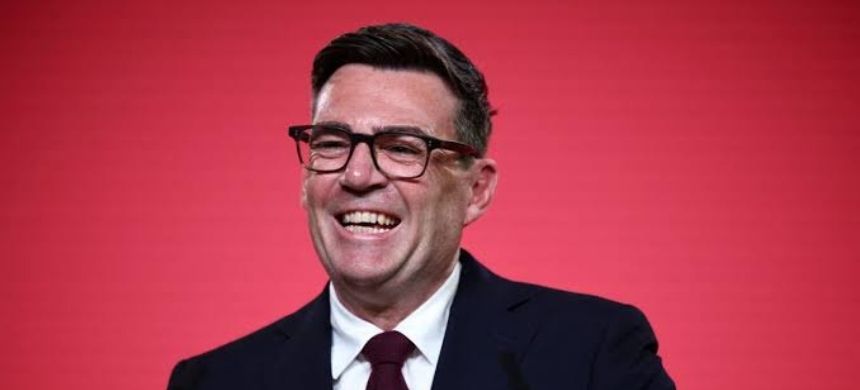
LONDON: Andy Burnham is set to become Britain’s seventh prime minister in just ten years, taking office at a time when the country faces significant political and economic challenges. He succeeds Keir Starmer, who stepped down only two years after leading the Labour Party to a decisive general election victory that ended 14 years of Conservative rule.
Following his appointment by King Charles III, Burnham is expected to deliver his first address outside 10 Downing Street after Starmer formally resigns. In his opening speech, the 56-year-old Labour leader is expected to outline his government’s priorities, including restoring public confidence, easing cost-of-living pressures, boosting economic growth, and giving greater powers to regional communities.
Attention is also focused on Burnham’s first Cabinet appointments, particularly the selection of a new finance minister to replace Rachel Reeves.
The former Mayor of Greater Manchester, widely known as the “King of the North,” was chosen by Labour MPs after Starmer resigned last month. Party members believe Burnham is the strongest candidate to challenge Nigel Farage’s Reform UK, which has gained support through its anti-immigration stance.
Supporters say Burnham’s experience leading Greater Manchester has given him a practical understanding of regional issues and the reforms needed to fulfill Labour’s election promises. Deputy Labour leader Lucy Powell said his leadership style reflects a commitment to bold policies that benefit ordinary people rather than centralized government.
Among Burnham’s biggest challenges are sluggish economic growth, rising public borrowing, increasing welfare costs, and continued pressure from illegal migration across the English Channel. Global factors, including fluctuating energy prices linked to tensions in the Middle East and uncertainty surrounding US President Donald Trump’s policies, are also expected to influence his government.
Burnham has pledged to reform what he describes as Britain’s overly centralized political system while creating better opportunities for working families. His priorities include improving job security, making housing more affordable, and expanding economic opportunities across the country.
Before becoming prime minister, Burnham served as an MP from 2001 to 2017 and held ministerial positions under former prime ministers Tony Blair and Gordon Brown. He later built a strong public profile as Mayor of Greater Manchester.
With the next general election expected in 2029, Burnham has limited time to deliver results. His first major policy decision has already been announced, with the cancellation of the government’s proposed nationwide digital ID scheme. The funds originally allocated to the project will instead be redirected toward measures aimed at easing the cost-of-living crisis and supporting public services.
Also Read: United Kingdom Tightens Rules: What Travelers and Employers Should Know