Pakistan witnessed an unusual fashion show in Islamabad where the clothes and designs were real, but the models walking the runway were entirely AI-generated. The event combined traditional Pakistani craftsmanship with artificial intelligence to showcase the work of women entrepreneurs from underserved communities.
The fashion show featured clothing designed and created by women who had developed skills in stitching and embroidery. Instead of using traditional models, the garments were digitally displayed on AI-generated models, creating a virtual catwalk that presented their work in a new way.
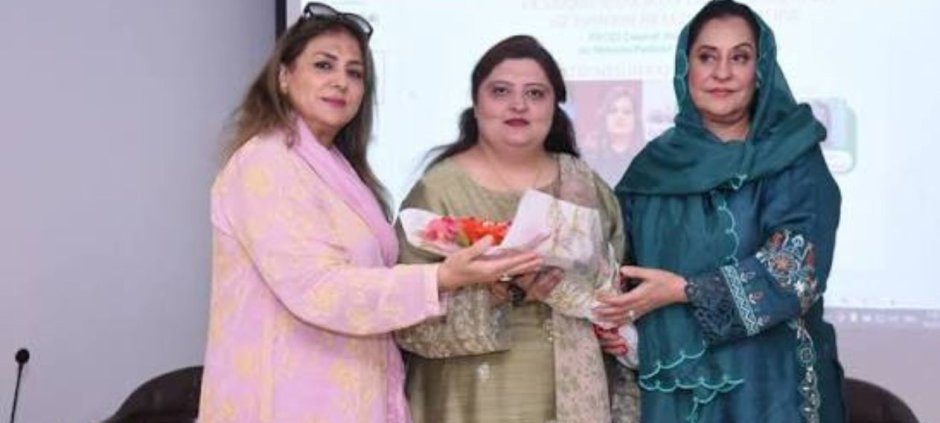
The event was held as part of the graduation ceremony for women participating in Ba-Ikhtiar, an initiative of Pakistan Telecommunication Company Limited (PTCL) aimed at helping women develop livelihoods through technology, skills and access to new opportunities.
The programme began in Haripur, Khyber Pakhtunkhwa, with 100 young women who already had experience in stitching and embroidery but faced limited access to markets and economic opportunities.
Through the initiative, participants received training in digital literacy, entrepreneurship, financial awareness and online market access. The aim was to help them turn their existing skills into sustainable sources of income.
Digital tools allowed the women to move beyond local markets and explore e-commerce opportunities. Their products could reach customers and audiences outside their immediate communities, giving their traditional crafts greater visibility.
Some participants also had opportunities to showcase their work at international and national events, including GITEX Global in Dubai and Lok Mela. These platforms provided additional exposure for their products and skills.
The programme has demonstrated how technology can support people who already possess valuable traditional skills. Instead of replacing their craftsmanship, digital tools can provide new ways for them to promote, sell and develop their work.
Following the initial experience in Haripur, Ba-Ikhtiar has expanded its focus beyond stitching and embroidery. The programme now includes areas such as pottery, handicrafts, food preservation, online tutoring and organic cosmetics.
The initiative has also expanded geographically. Its second phase covers 22 districts and aims to reach around 2,100 women.
The AI-powered fashion show highlighted one example of how digital technology can create new opportunities for small entrepreneurs. The garments remained products of traditional craftsmanship, while artificial intelligence provided a different method of presenting them to an audience.
The broader programme focuses on connecting women not only to technology but also to knowledge, markets, financial services and business opportunities. It aims to help women become active participants in the growing digital economy.
The initiative also reflects the increasing use of artificial intelligence in creative industries. Fashion is one area where AI-generated visuals can provide new ways of presenting real products without replacing the people who create them.
For the participating women, the programme provides a pathway from traditional skills to modern marketplaces. Their work can now be promoted through digital platforms while retaining the craftsmanship and cultural elements behind each product.
Also read: Alina Amir Is Redefining Digital Fashion