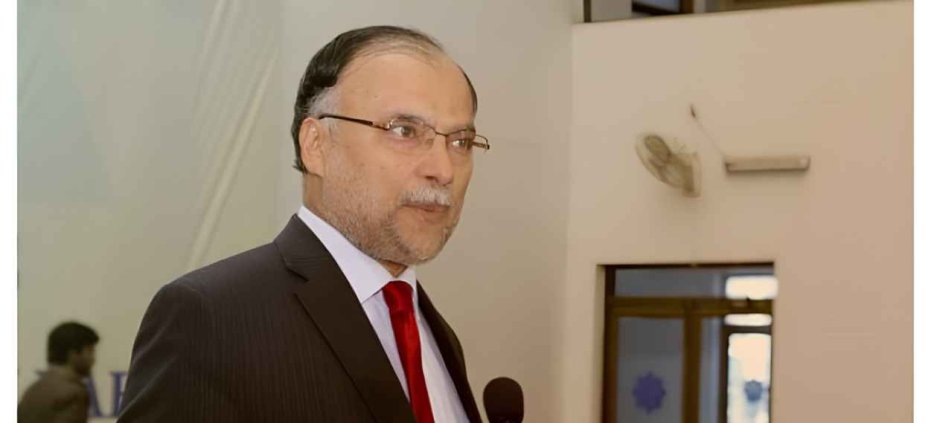
Planning Minister Ahsan Iqbal has proposed turning CAREC transport routes into economic corridors.
The plan aims to strengthen trade links between Central Asia and Pakistan’s Arabian Sea routes.
Ahsan Iqbal presented the proposal at the 25th CAREC Ministerial Conference in Ulaanbaatar, Mongolia.
He highlighted CAREC Corridors 5 and 6 as important routes for regional connectivity. These corridors can connect Central Asian markets with Pakistan’s seaports.
The minister said the focus should extend beyond simple transit movement. He wants the corridors to support wider economic activity.
Under the proposal, businesses should be able to move goods reliably and profitably. The routes could also support investment, exports and job creation.
Ahsan Iqbal said Pakistan needs to strengthen several parts of the transport network. These include roads, border crossings, railways, dry ports and seaports.
He specifically highlighted the need to upgrade CAREC roads. He also called for improvements at the Torkham and Chaman border crossings.
Rail freight capacity is another major part of the proposed plan. The minister linked this requirement with the modernization of Pakistan’s ML-1 railway.
The government has separately described ML-1 modernization as important for trade and regional connectivity. The Karachi-Rohri section is currently the most advanced part of the proposed upgrade.
The plan also includes logistics and production hubs along strategic locations. These facilities could include warehouses, cold storage and packaging centers.
Light manufacturing could also be developed around these hubs. Such facilities could help convert transit activity into exports and local employment.
Digital connectivity was another key part of the proposal. The minister called for stronger digital systems across the CAREC region.
Pakistan’s Single Window system could help connect digital trade processes with regional partners. It could also reduce paperwork during cross-border trade.
The minister proposed using advance electronic information at border crossings. He also called for compatible operating hours and coordinated procedures.
Reducing repeated inspections could further improve the movement of goods. Corridor performance could also be measured through specific indicators.
These indicators could include border delays, delivery times and local employment. Participation by small and medium-sized businesses could also be monitored.
Ahsan Iqbal further called for greater coordination among CAREC countries. He said countries should jointly plan and develop cross-border infrastructure projects.
Common standards could help improve coordination between different transport systems. Investment and construction schedules could also be aligned.
The Asian Development Bank could assist with financing these projects. Private investment could also be mobilized for suitable regional initiatives.
Pakistan is positioned between Central Asia, South Asia and major maritime routes. This location gives the country a potential role in regional trade networks.
The proposal seeks to use that position through better transport, logistics and digital connectivity. It also aims to support regional value chains and investment.
The CAREC framework already includes transport corridors connecting Central Asia with South Asia and the Arabian Sea. Corridor 5 provides routes toward Pakistan, while Corridor 6 links wider regional markets with Arabian Sea ports.
In other related news also read Ahsan Iqbal Clarifies Unexpected Live TV Moment
The latest proposal therefore focuses on expanding these routes beyond transit services. It aims to connect transport infrastructure with trade, production and investment opportunities.