A structural safety assessment in Khyber Pakhtunkhwa has identified 2,448 school buildings as unsafe, raising concerns about the safety of students and teachers across the province.
The provincial Communications and Works (C&W) Department conducted the inspections following the deadly school building collapse in Peshawar’s Dir Colony on October 15, 2026. The findings indicate that approximately 27% of the 8,928 inspected institutions were classified as unsafe, while another 2,344 were identified as requiring repairs.
The assessment has highlighted serious concerns about the condition of educational infrastructure and the need for immediate action to protect students from potentially dangerous buildings.
Separately, the Peshawar district administration has issued notices to 13 private schools, directing their managements to vacate buildings declared dangerous and relocate students to safer premises.
The developments have renewed questions about school infrastructure, construction standards and the effectiveness of safety inspections across Khyber Pakhtunkhwa.
KP Structural Safety Audit Identifies 2,448 Unsafe Schools
The C&W Department completed an initial structural assessment of 8,928 educational institutions across Khyber Pakhtunkhwa following government directives.
According to the reported findings, 2,448 buildings were classified as unsafe, representing approximately 27.4% of the inspected institutions.
Another 2,344 buildings were identified as requiring repairs, highlighting additional infrastructure problems that could affect the safety and suitability of educational facilities.
The assessment also identified 4,027 buildings as structurally safe.
The audit was launched to examine the physical condition of educational buildings and identify structures requiring urgent attention, repairs or further technical assessment.
The inspection process is part of a wider effort to prevent another tragedy involving the collapse of a school building.
The reported percentage applies to the inspected sample rather than automatically representing all government schools across the province. The wider assessment remains important because thousands of educational institutions still need to be examined.
Dir Colony School Collapse Triggers Province-Wide Inspections
The safety assessment was initiated after a devastating school building collapse in Peshawar’s Dir Colony on October 15.
The incident occurred at Al-Khair Education System, where part of the building collapsed while classes were underway.
The tragedy claimed dozens of lives, including children and teachers, and left several others injured. The incident raised serious concerns about the structural condition of educational buildings and the safety arrangements maintained by school administrations.
Following the collapse, provincial authorities ordered inspections of school buildings to identify structural weaknesses and buildings that could pose risks to students and staff.
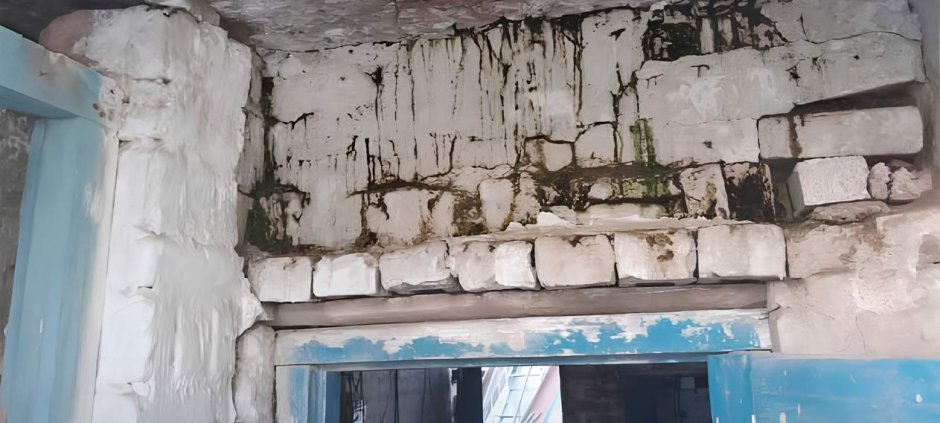
The inspection teams were tasked with examining important structural components, including roofs, ceilings, walls, beams, foundations and staircases.
The purpose was to identify damaged structures, maintenance problems and potentially dangerous construction conditions that could lead to further accidents.
The incident also prompted calls for stronger oversight of private educational institutions and stricter enforcement of building safety requirements.
More Than 2,300 Schools Require Repairs
Alongside the buildings classified as unsafe, the audit identified 2,344 institutions requiring repairs.
This category highlights another major challenge facing the province’s education infrastructure.
Buildings requiring repairs may have structural weaknesses, damaged facilities or maintenance problems that need to be addressed before they can safely accommodate students and teachers.
The required work may vary depending on the nature and seriousness of the damage identified during inspections.
Authorities will need to determine which buildings require routine maintenance, major repairs or more extensive reconstruction.
The distinction between unsafe buildings and those requiring repairs is important because each category may require a different response.
Schools facing immediate structural risks need urgent precautionary measures, while buildings requiring improvements must undergo the necessary work and safety checks.
The final decisions should be based on technical assessments rather than assumptions about the condition of individual institutions.
Peshawar Administration Issues Notices to 13 Private Schools
In a separate development, the Peshawar district administration has issued notices to 13 private schools after an inspection team identified their buildings as dilapidated and dangerous.
The notices direct school administrations to immediately vacate the affected premises and relocate their institutions to safer locations.
According to the district administration, continuing educational activities in buildings declared dangerous could put students’ lives at risk.
School managements have been warned that they could be held responsible if an incident occurs because they fail to follow the instructions.
The inspections were conducted to identify educational institutions operating in buildings that could pose structural safety risks.
The notices are part of the broader response following the Dir Colony tragedy, which exposed concerns about the condition and regulation of school buildings in Peshawar.
The administration’s decision highlights the need for school owners to ensure that their premises meet appropriate safety requirements before allowing students and staff to occupy them. <Cite refs={[“turn914215view1”]}/>
Students Directed to Move to Safer Buildings
The provincial Education Department has also issued instructions concerning students enrolled in institutions identified as unsafe.
District Education Officers have been directed to ensure that students are moved away from dangerous school buildings or sections of buildings.
Where possible, children should be shifted to safe classrooms within the same institution or transferred to nearby government schools.
If suitable government facilities are unavailable, authorities have also been instructed to consider arranging rented premises to prevent unnecessary disruption to education.
The instructions emphasise that the safety of students must take priority over the continuation of classes in buildings that have been declared dangerous.
Schools requiring repairs must complete the necessary work before resuming classes in affected sections.
Buildings with serious structural defects should remain closed until the relevant technical authorities determine that they are safe for use. <Cite refs={[“turn914215view0″,”turn414663search5”]}/>
Thousands of Classrooms Also Face Infrastructure Problems
The school safety findings form part of a wider concern about deteriorating educational infrastructure in Khyber Pakhtunkhwa.
A separate report published by HUM News on November 2, citing official sources, stated that more than 36,000 classrooms in government schools across the province had been declared dilapidated.
Of these, 19,224 reportedly required reconstruction, while another 17,743 needed repairs.
These figures underline the scale of the infrastructure challenge facing the provincial education system.
Deteriorating classrooms can affect not only structural safety but also the quality of the learning environment. Damaged roofs, weakened walls, inadequate facilities and poor maintenance can make it difficult for schools to provide suitable conditions for students.
The reported figures also raise questions about funding requirements, repair schedules and the government’s capacity to address infrastructure problems across thousands of institutions.
Addressing these concerns will require coordination between education authorities, technical departments and district administrations. <Cite refs={[“turn914215view1”]}/>
Urgent Action Needed to Protect Students and Teachers
The latest findings have highlighted the importance of taking timely action against unsafe school buildings.
Structural inspections are an important first step, but their effectiveness will depend on whether authorities follow through with repairs, reconstruction, relocation and regular monitoring.
Schools identified as unsafe should not continue normal academic activities until the relevant authorities establish that their buildings are suitable for occupation.
The provincial government will also need to prioritise funding for institutions requiring major repairs and reconstruction, particularly those facing immediate structural risks.
At the same time, private school regulators must ensure that educational institutions comply with construction requirements, safety inspections and other applicable regulations.
Parents also need clear information about whether their children’s schools have been inspected and what arrangements are being made if buildings are found unsafe.
What Happens Next?
The initial audit has identified thousands of educational buildings that require attention, while the Peshawar administration has begun taking action against private schools considered dangerous.
The next stage will involve implementing the recommended safety measures, completing necessary repairs and ensuring that students are transferred away from structures that pose immediate risks.
The C&W Department is expected to submit its findings to the provincial government as the assessment progresses.
Authorities will also need to ensure that institutions receiving repair instructions complete the required work and obtain appropriate safety clearance before reopening affected buildings.
The Dir Colony tragedy has made school safety a major public concern in Khyber Pakhtunkhwa. The latest findings show that inspections alone will not be sufficient unless they are followed by practical measures to protect students and teachers.
For thousands of families across the province, the priority remains ensuring that children can attend school without being exposed to preventable structural dangers.
Also read: KP Schools Announce Summer Vacation Dates