US Demands Concrete Nuclear Concessions
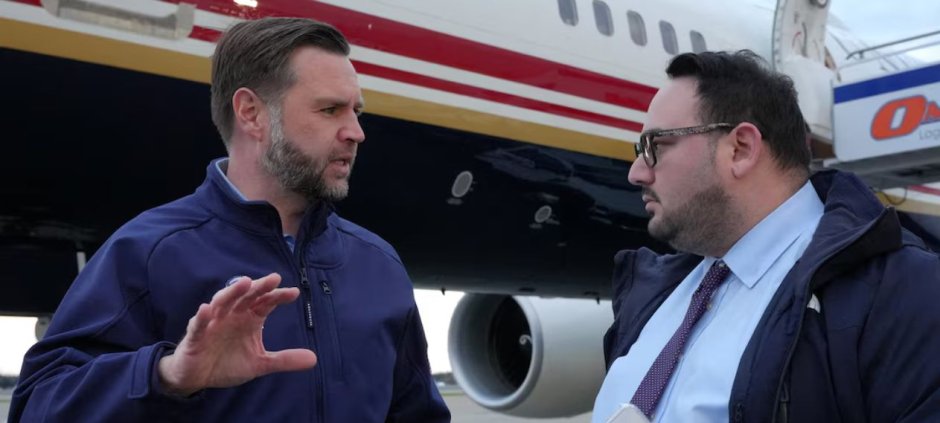
US Vice President JD Vance has said Iran must make a “meaningful” reduction in its nuclear enrichment capacity if Washington is to agree to a deal aimed at ending the ongoing war between the two countries. Vance made the remarks in an exclusive interview with Reuters after a campaign visit to Alaska.
Vance said the United States would not accept promises of future reductions in Iran’s nuclear programme. Instead, Washington wants Tehran to take concrete steps to reduce its current enrichment capabilities. He argued that Iran’s ability to enrich uranium to high levels remains a major concern for the United States.
“If you don’t want a nuclear weapon, then why do you need 60% enriched fuel?” Vance said, arguing that Iran could demonstrate its commitment to avoiding a nuclear weapon by taking action on its enrichment programme.
“We’re not going to trade words for actions,” Vance said, making clear that Washington is seeking measurable concessions rather than assurances.
US-Iran Talks Face Leadership Questions
The United States and Iran have exchanged proposals in recent weeks aimed at ending the conflict and reopening the Strait of Hormuz, a major route for global energy shipments. US President Donald Trump has rejected Iran’s latest proposal and has warned that military operations could intensify after the November midterm elections.
Vance also said Washington remains uncertain about how decisions are being made inside Iran. He said US officials have been in contact with Iranian President Masoud Pezeshkian and Foreign Minister Abbas Araqchi, but it was unclear how much authority they hold within Iran’s wider power structure.
Vance’s comments came after the death of Supreme Leader Ayatollah Ali Khamenei in joint US-Israeli strikes at the beginning of the conflict. Trump separately said that one of his biggest problems was that Washington does not know who is running Iran. Iran has rejected that characterization and said US officials understand Iran’s political system and negotiating counterparts.
War Continues to Pressure Energy Markets
Vance said he has spoken with field commanders to assess conditions on the ground. He also dismissed concerns about critical ammunition shortages and said Iranian forces have periodically been able to strike commercial ships in the Strait of Hormuz.
At the same time, he said Iranian forces have largely been unable to stop energy exports through the waterway. The conflict has continued to affect global energy markets, with disruptions around key shipping routes increasing pressure on oil and gas supplies.
The war has also become a political issue in the United States. Reuters reported that the conflict is costing about $3 billion a month, while higher energy prices have created additional pressure on the Trump administration and Republicans ahead of the November elections.
Vance Says Trump Is Driving Negotiations
Vance declined to say whether he was personally leading the peace talks, although he has emerged as a key figure in Washington’s efforts to negotiate an agreement.
“We’re certainly involved,” he said. “Ultimately, the president of the United States is driving things.”
Vance also remains a prominent figure within the Republican Party and is viewed as a potential contender for the White House in 2028. However, he told Reuters that he has not decided whether he will seek the presidency.
“I’m inherently a procrastinator,” Vance said. “I really haven’t thought about it much.”