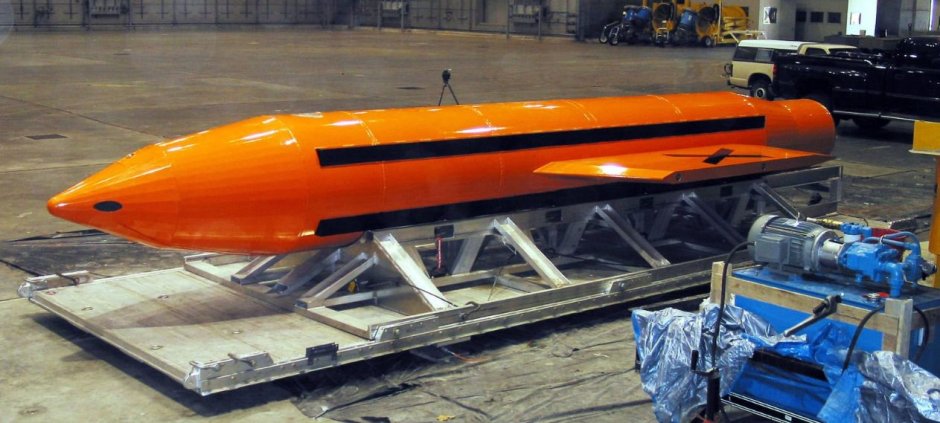
The United States is reportedly considering the use of its most powerful non-nuclear explosive against Iran as part of military options prepared for President Donald Trump. The weapon, known as the “mother of all bombs,” is among the options being discussed if Washington decides to launch another round of attacks.
According to the reported information, potential targets include Iranian energy facilities and nuclear sites. However, the plans remain contingency options, and there is no confirmation that Trump has approved a new bombing operation.
The discussions come amid continuing tensions between Washington and Tehran, with the possibility of further military action raising concerns about regional security and the risk of a wider conflict.
What Is the ‘Mother of All Bombs’?
The GBU-43/B Massive Ordnance Air Blast bomb, commonly known as the MOAB, is one of the largest conventional bombs in the US military arsenal. It carries approximately 8,500 kilograms of explosives and is designed to create a powerful blast over a wide area.
Unlike weapons designed to penetrate underground structures, the MOAB detonates above the ground. Its blast can cause extensive destruction to exposed targets and surrounding areas.
The United States previously used the weapon in Afghanistan in 2017 against a network of tunnels associated with the Islamic State group. That remains its only reported combat deployment.
Questions Over Iran’s Underground Nuclear Sites
Despite its enormous explosive power, the MOAB may not be suitable for destroying Iran’s most heavily protected underground facilities.
The weapon is not designed to penetrate deep layers of rock or reinforced concrete before detonating. This raises questions about whether it could damage facilities located deep underground, including installations associated with Iran’s nuclear programme.
Military officials familiar with the discussions have reportedly questioned whether the weapon could reach deeply buried facilities beneath Pickaxe Mountain or achieve the objectives sought by the US administration.
Military analyst Elijah Magnier has also argued that the bomb could devastate exposed targets without necessarily eliminating deeply buried installations or forcing Tehran to make concessions.
Civilian Risks and Regional Tensions
Any use of a large conventional bomb near populated areas could create serious risks for civilians and cause extensive damage to surrounding infrastructure.
The potential targeting of energy facilities could also have wider consequences for electricity supplies, industrial activity and essential services. The extent of any damage would depend on the targets selected and the circumstances of a possible attack.
Meanwhile, Iranian officials have reportedly threatened retaliation against regional communications networks, data centres and other digital infrastructure if American attacks resume.
Such threats could increase concerns about the security of critical infrastructure across the Middle East, particularly if military action expands beyond direct attacks on military installations.
No Final Decision Confirmed
The inclusion of the MOAB in military contingency planning does not mean the weapon will necessarily be used. The reported discussions describe options available to the US president rather than a confirmed attack plan.
Whether Washington authorises further strikes against Iran remains uncertain. Any new military action could have significant consequences for regional stability, civilian safety and relations between the United States and Iran.